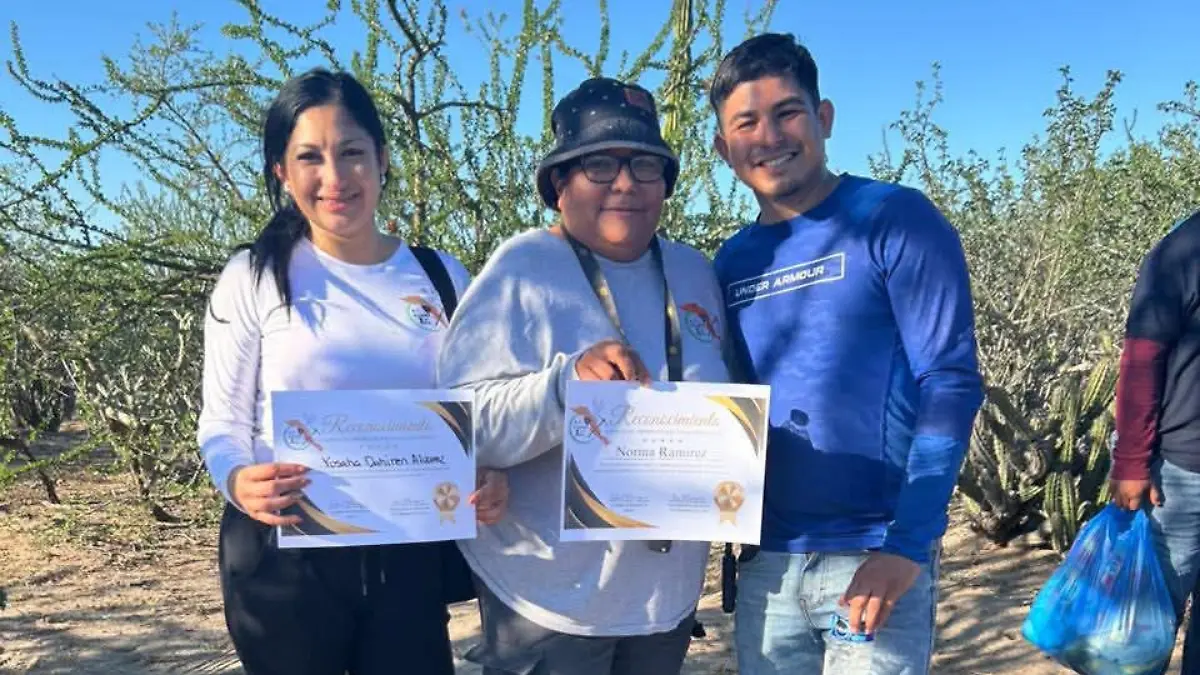
“I was able to see her and say goodbye”: After nine years, Norma Ramírez found her daughter
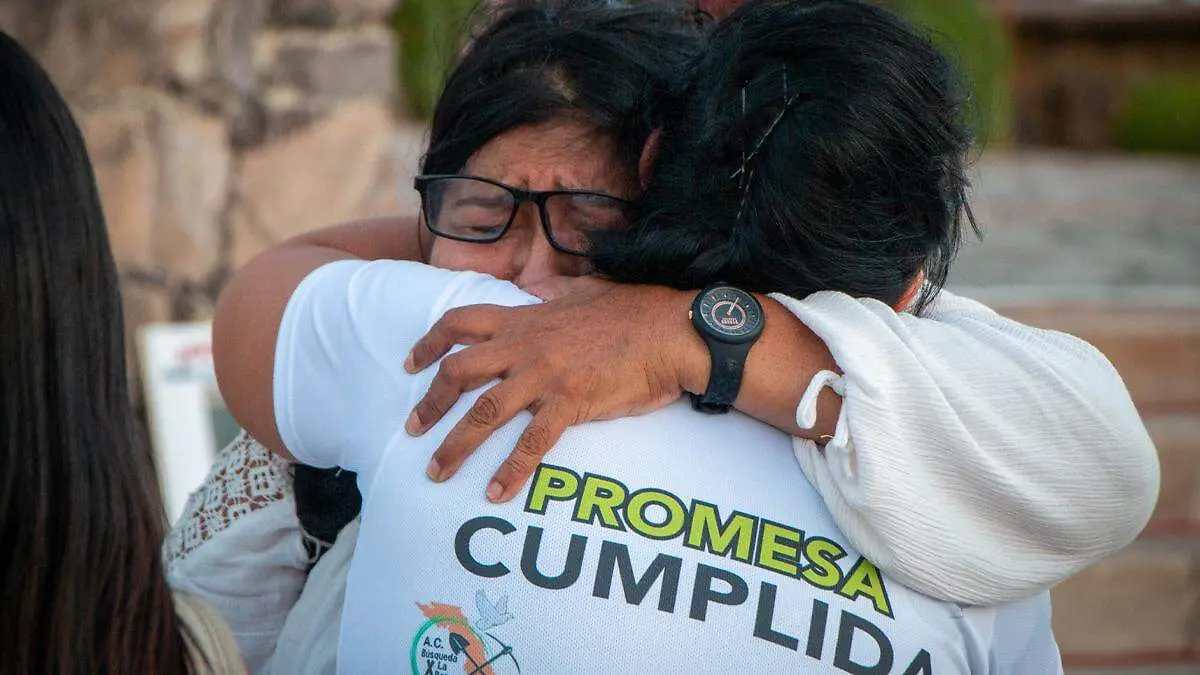
A process in which she says she felt revictimized by society and the authorities, but today thanks God for having found her daughter and being able to say goodbye to her

Gilberto Santisteban Flores
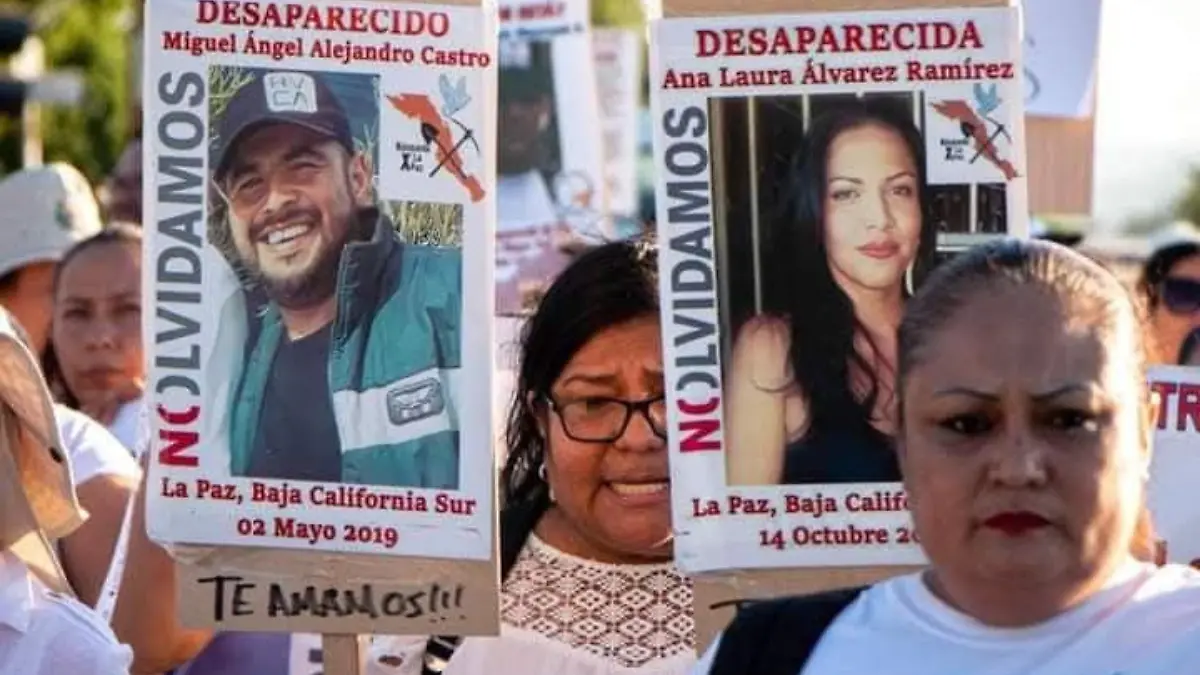
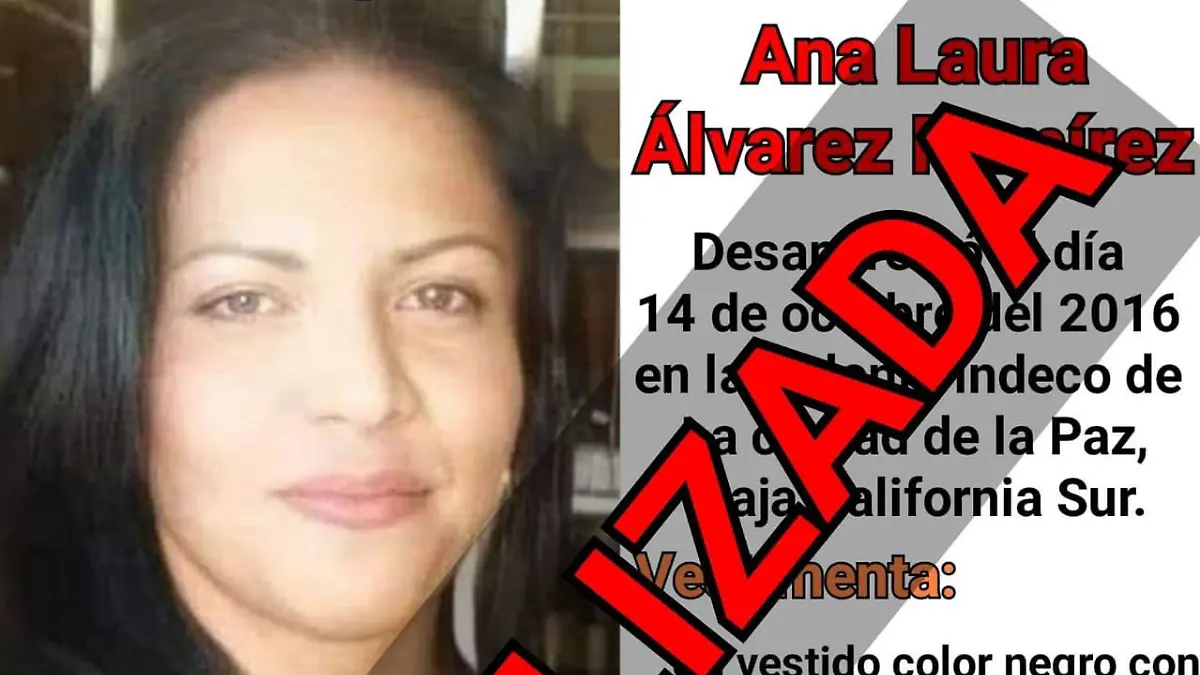
Nine years of effort, field expeditions, digging into the earth, and traveling highways passed before Norma Ramírez was able to find her daughter, Ana Laura Álvarez Ramírez.
Get the most important news from Baja California Sur through our newsletter!
With the responsibility of caring for Ana Laura’s two babies, she did what she could and began traveling the highways.
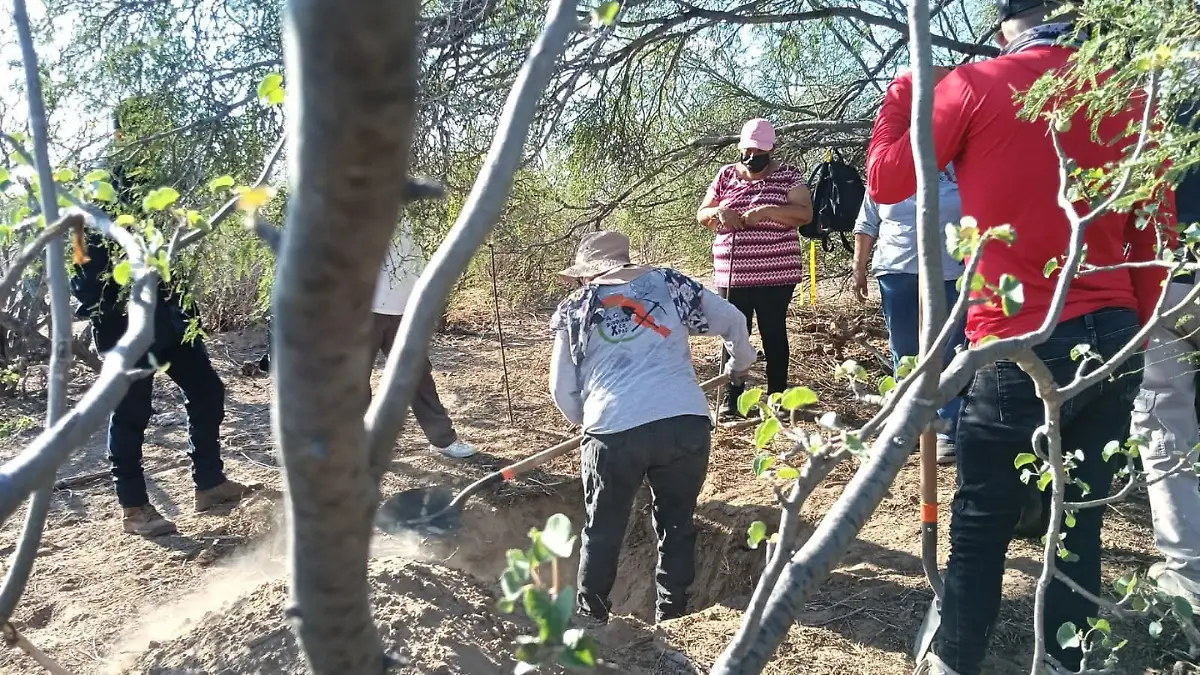
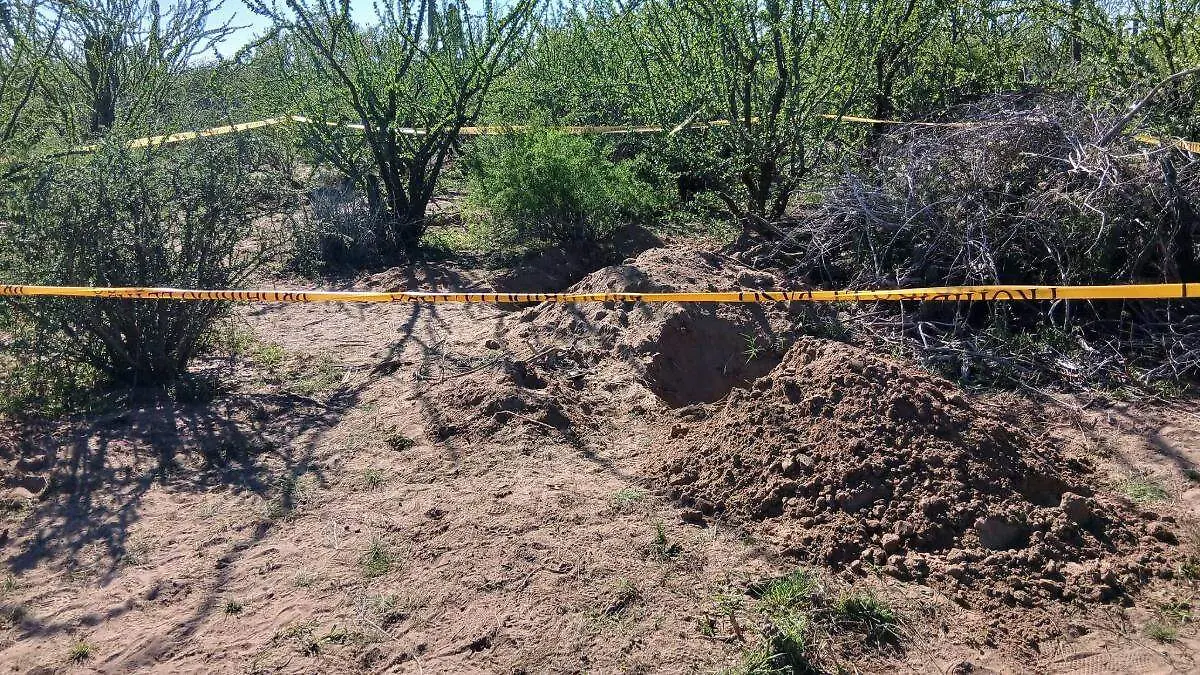
That struggle, driven by a mother’s love, came to an end in September of this year, when a clandestine grave was opened near San Juan de la Costa and remains were found that matched Ana Laura’s clothing.
There was still no genetic test to confirm it—they were only in the process of handling the remains—but Norma knew it was her daughter.
The condition of Ana Laura’s clothing stood out among the findings. Her dress was not torn, nor did it have stains, as usually happens with garments recovered from clandestine graves. It was as if time had not passed—neither the sun nor the earth had affected it.
On December 13, she received a notification from forensic authorities at the State Attorney General’s Office (PGJE), confirming what her intuition had already known since September: it was Ana Laura.
The searching mother emphasized that the genetic confirmation process was accelerated thanks to dialogue with forensic doctors, who during a meeting asked about distinguishing features of relatives. It was then that she mentioned her daughter had a fractured elbow.
Collective organization among indirect victims
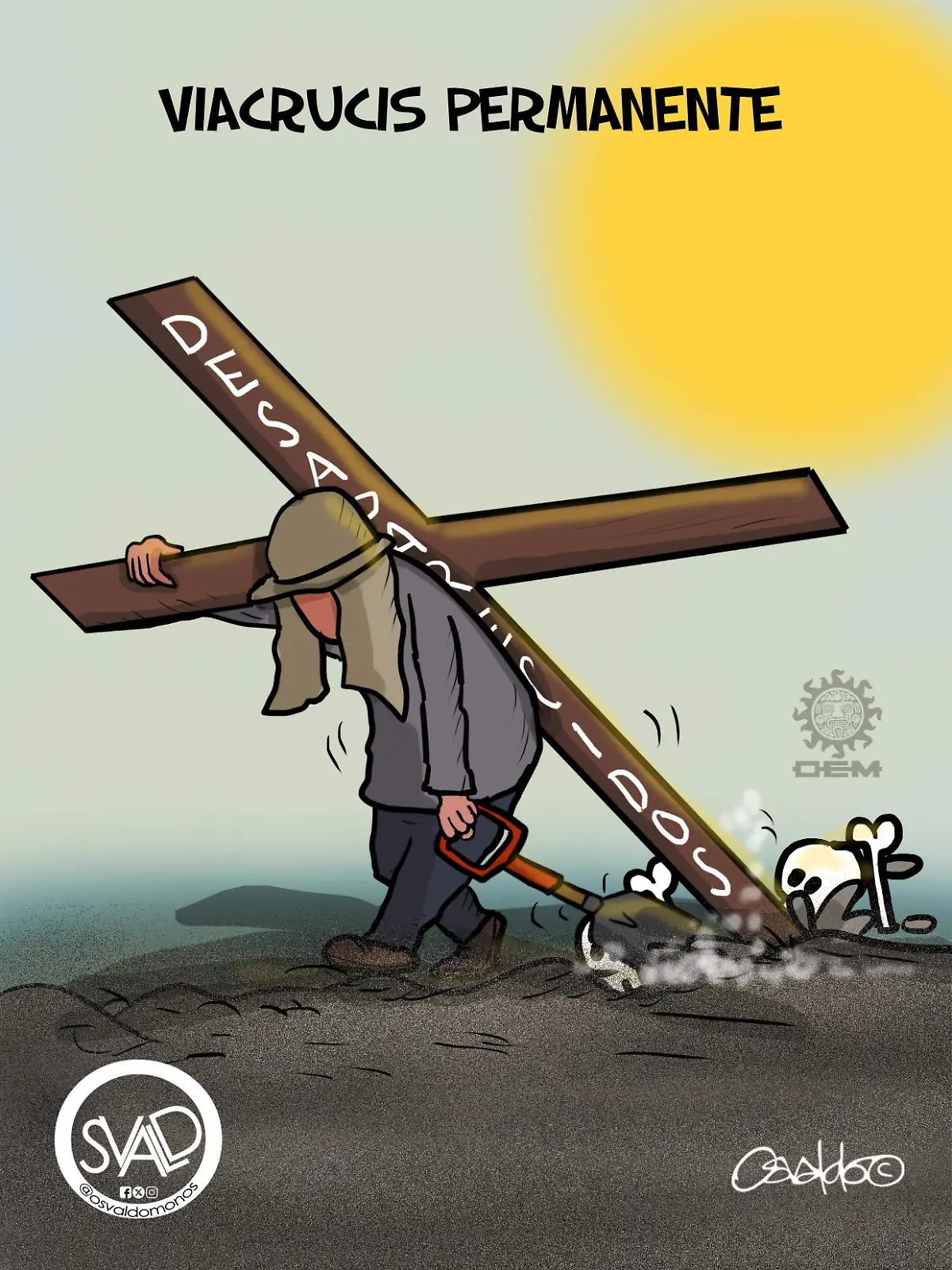
Norma’s story adds to those of hundreds of families who have suffered the disappearance of a loved one and who, lacking support from the authorities, were forced to begin searching on their own.
Norma recalls that when Ana Laura disappeared, she began searching for her toward Los Planes, at friends’ homes, but without a clear direction or any indication of where she might be.
There was no review of surveillance cameras, nor were aerial or ground units deployed. There was no intervention by police or members of the Navy or Army either, because no one supported the search for Ana Laura, according to her mother’s testimony.
“The authorities carried out no search at all; I never saw them lift a single finger. On the contrary, that same day my daughter was taken, instead of looking for her they went into the house to search for something, turning the place upside down,” she denounced.
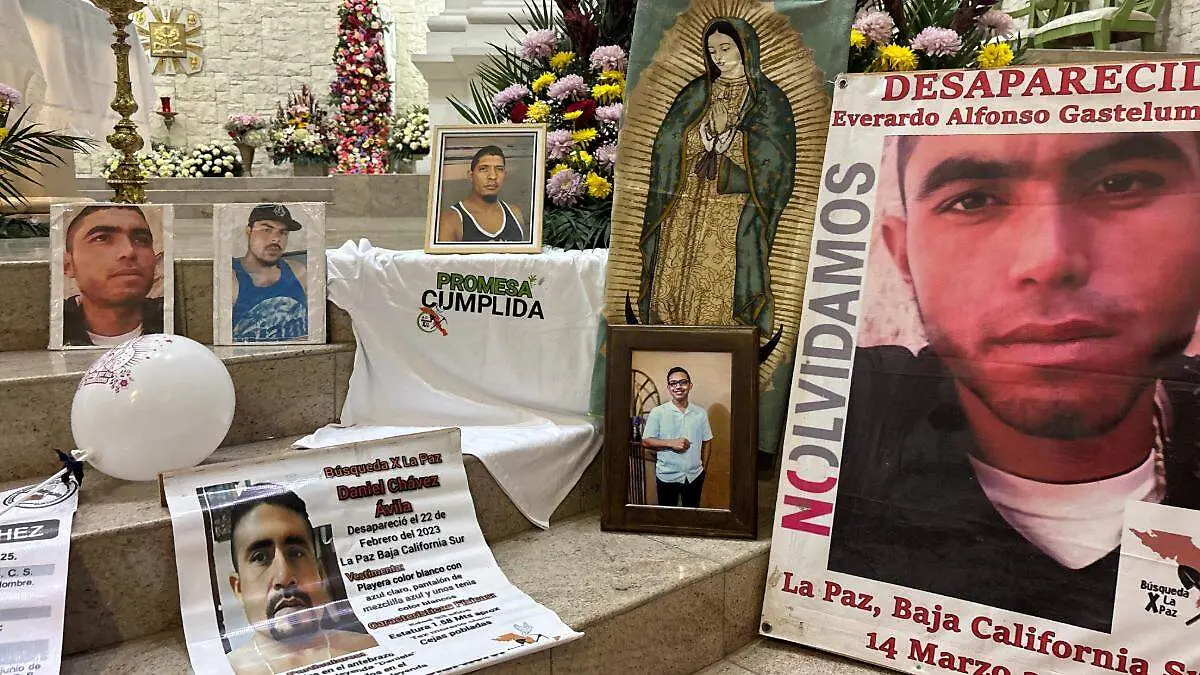
In 2017, a sense of hope emerged for her in a group of people who would later become Búsqueda x La Paz.
The other side of the coin—the most visible one—is that although there is unity and a new family, the lives of those with a missing relative are never the same again.
There are no Christmases, no New Year’s celebrations, no Mother’s Days. Celebrations simply ended because, as Norma says, not only are they taken away, but so too are the lives of their families.
92 bodies found along the highway
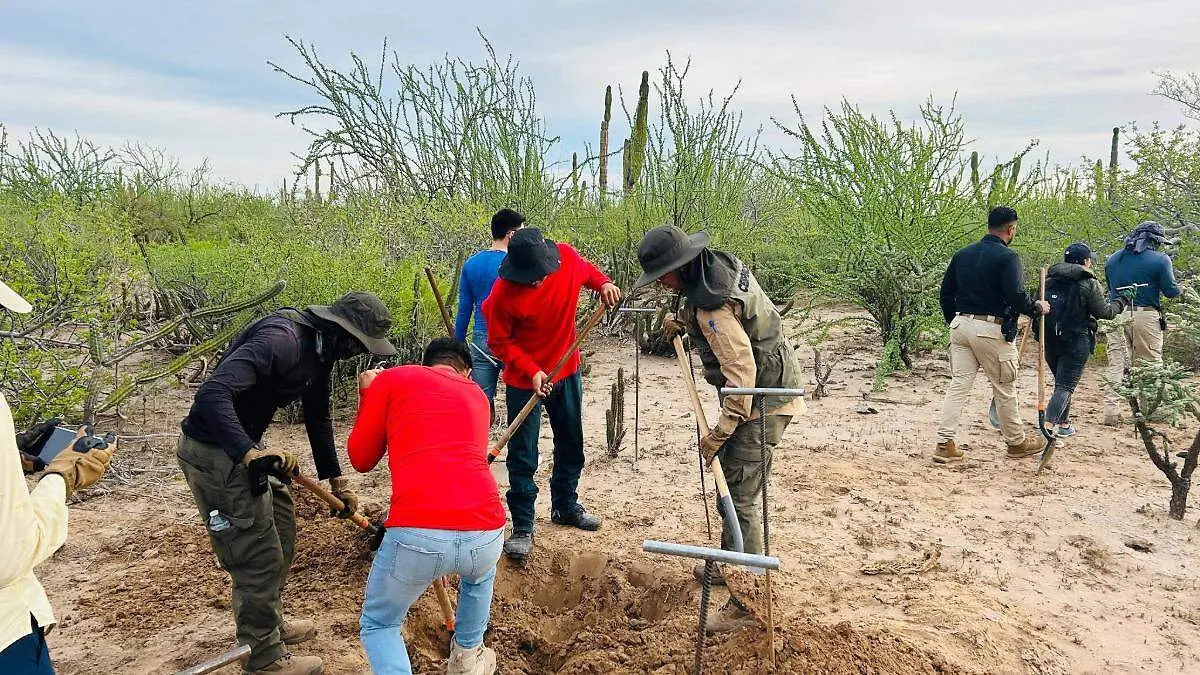
As El Sudcaliforniano has reported, the Búsqueda x La Paz collective has located 92 bodies, remains, and skeletal remains near the San Juan de la Costa highway between September 2024 and December 2025.
More than 60 clandestine graves have been found. The searching mother explained that they began working in that area a year and a half ago, without knowing that within one of those burials would be Ana Laura.
NOTAS RELACIONADAS

Más Noticias
LO+VISTO

COLUMNAS




LO+RECIENTE