Local economy: between fishing and seasonal tourism
Organization and preparation of service providers
“The community prepares for this over many months. Our service providers already have their permits ready to take tourists on the gray whale experience,” she said.
Family businesses and structural limitations
“The tour that attracts visitors the most is seeing the gray whale, which is the main attraction. We are a family business; there are five of us working together,” he said.
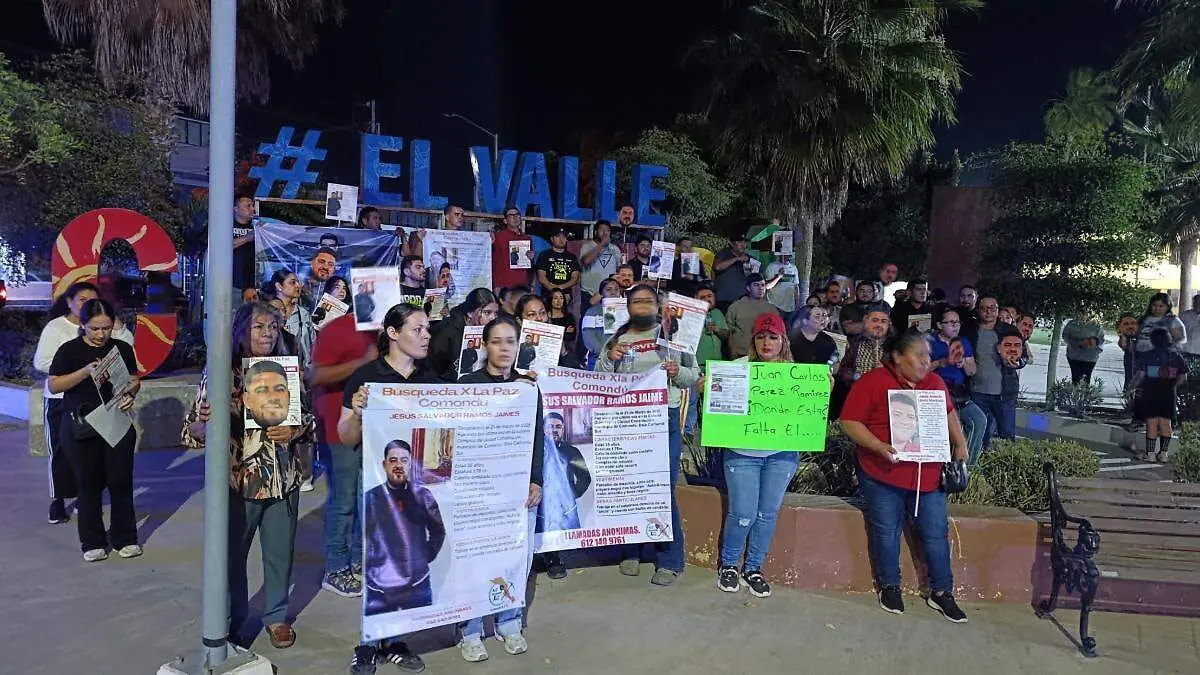
La corporación aseguró que están dispuestos a mantener un canal de comunicación abierto con familiares de Jesús Salvador, esto tras las manifestaciones
Aunque contemplan que las ofertas que han recibido son un buen “parámetro” la base trabajadora no ha aceptado las contrapropuestas de las autoridades de los tres poderes y gobierno municipales
La impugnación de Alejandro Palacios contra su destitución está por entrar a Sala Superior, por lo que la decisión del INE aún no queda en firme y pueden restituirlo
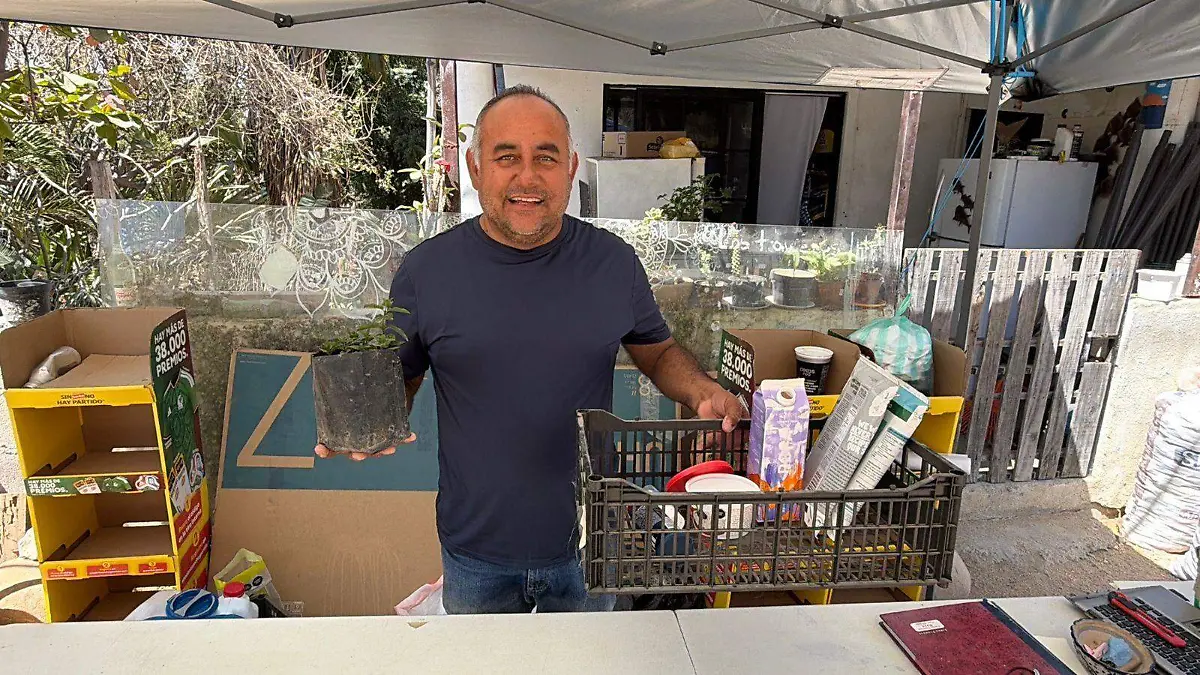
En la comunidad de La Playa ubicada al este de San José del Cabo, los vecinos mantienen un centro de acopio para recolectar la mayor cantidad de desechos y evitar que se conviertan en una fuente de contaminación
The festival connects spaces, artists, and communities in La Paz, San José del Cabo, and Todos Santos, establishing itself as a growing cultural circuit
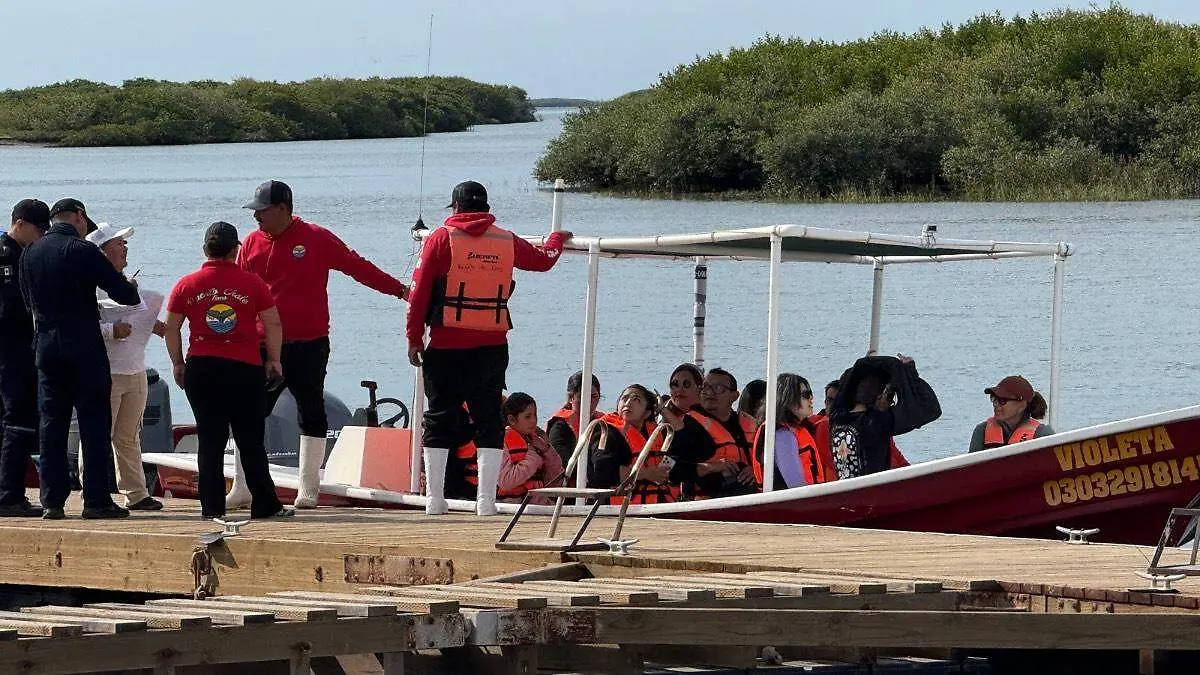
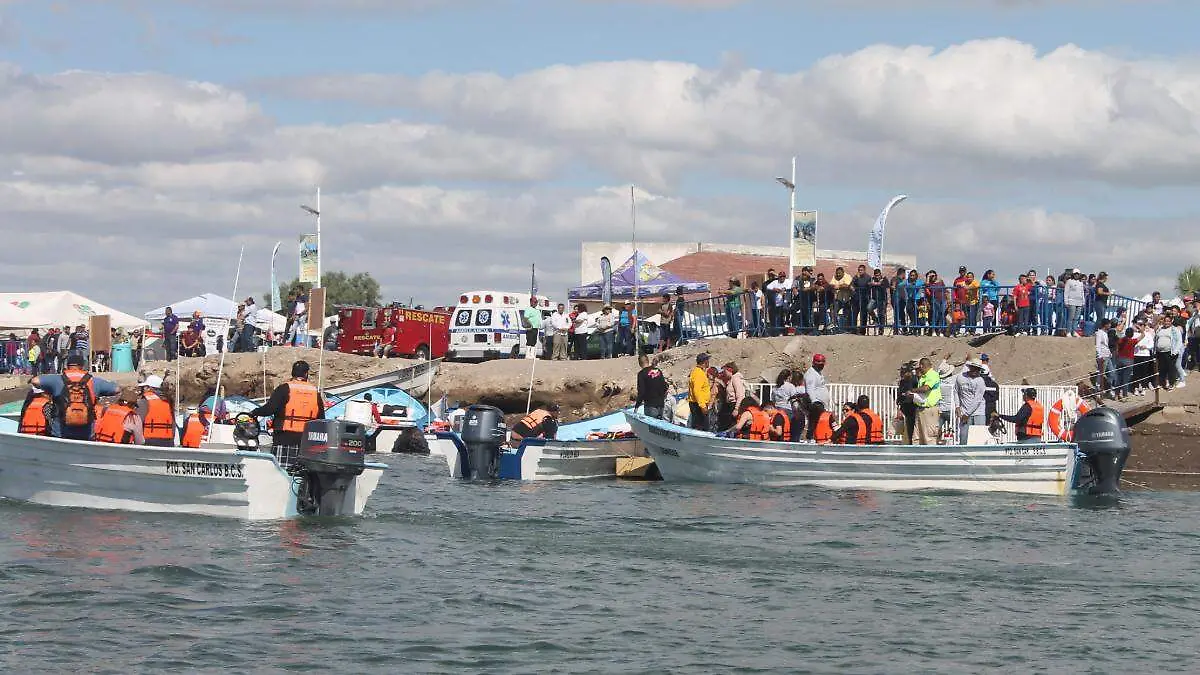
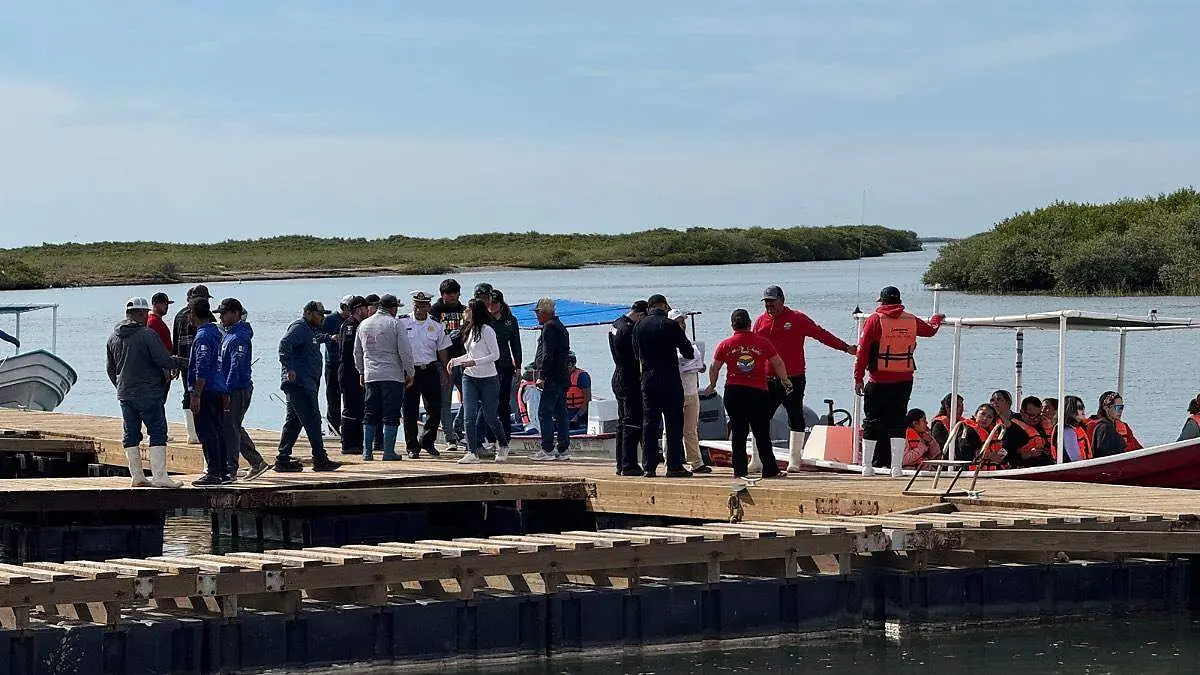
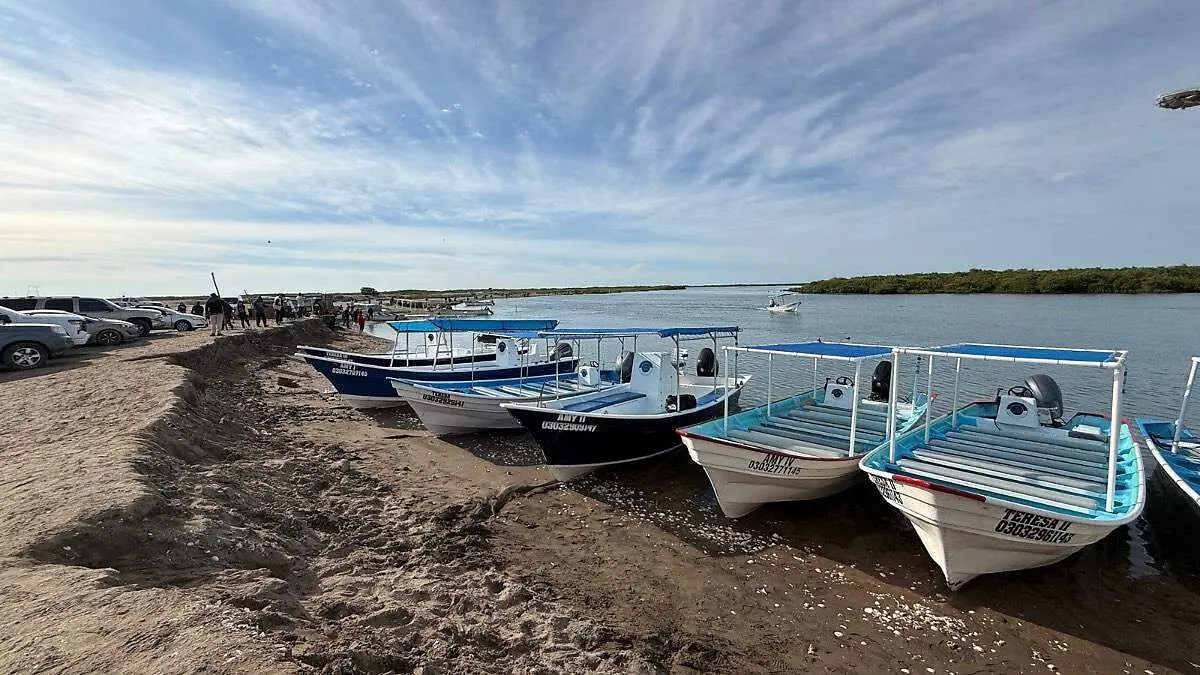
Tourists wait at the Puerto Chale pier to board boats that offer gray whale-watching tours. / Photo: Carolina Vizcarra / El Sudcaliforniano.
La Paz, Baja California Sur. – Gray whale watching has become the main tourist attraction in Puerto Chale. According to information from the municipal tourism department, when this activity formally began in 2022, approximately 9,000 visitors were recorded during the three months of the season. By 2025, that number had increased to 36,000 visitors.
This growth has had a direct impact on the economic spillover received by the community. The mayor of La Paz, Milena Quiroga Romero, explained that Puerto Chale was identified as one of the localities with the highest levels of social marginalization within the municipality, which led to the implementation of coordinated actions among the three levels of government.
“We conducted an analysis based on CONEVAL data together with INEGI to determine which communities in the municipality were experiencing extreme poverty. One of them was Puerto Chale, and we began looking for ways to support the community so they could move out of that situation,” she stated.
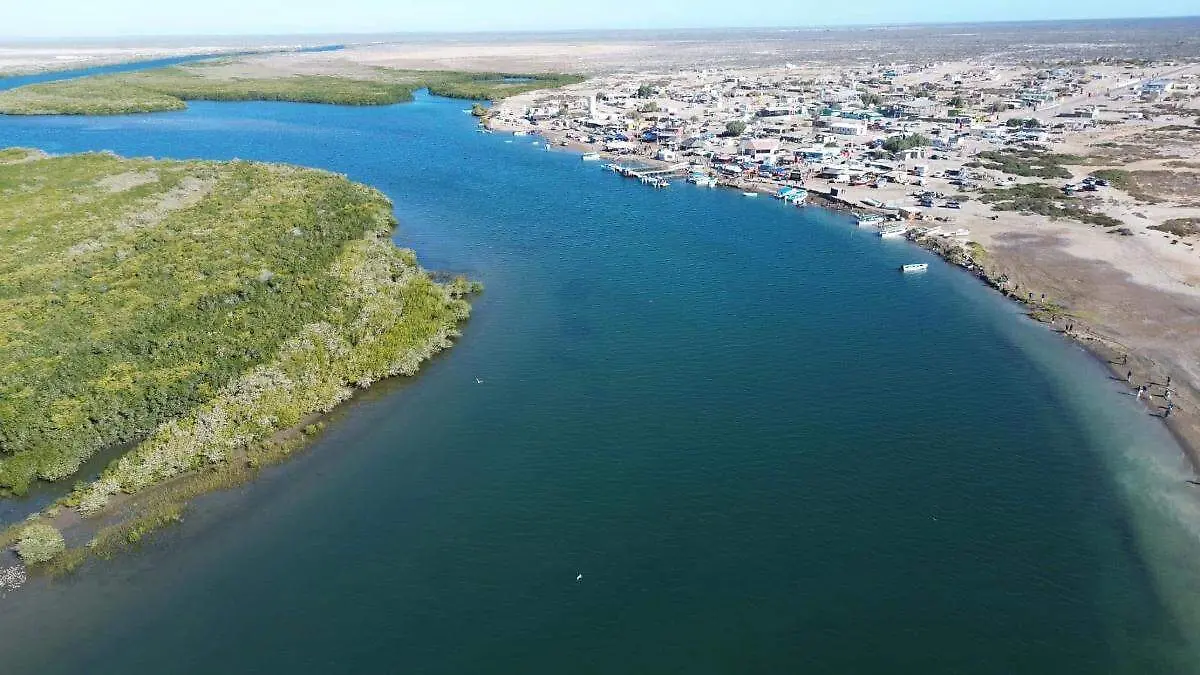
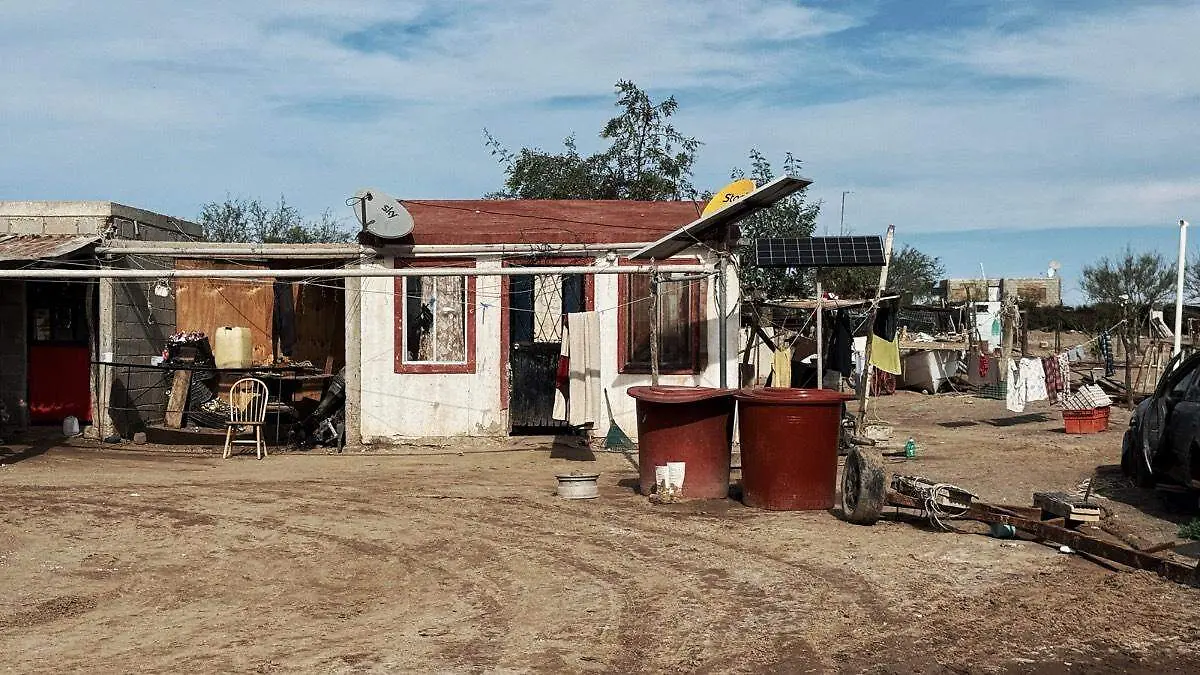
View of homes in Puerto Chale, a community identified as having social backlogs and limited access to basic services. / Photo: Carolina Vizcarra / El Sudcaliforniano.
In the same context, the mayor detailed the evolution of the economic spillover generated by tourism activity: “In 2022, there was an economic spillover of 15 million pesos; in 2023, it was 24 million, and in 2024 it increased to 36 million pesos for the entire community. I am confident that by 2026 it will exceed 40 million pesos.”
Located approximately 180 kilometers northwest of the city of La Paz, Puerto Chale is a coastal community whose development and social dynamics are closely linked to the sea and the seasonality of its productive activities. Access is via the Transpeninsular Highway, taking the turnoff at Santa Rita at kilometer 157, followed by a 23-kilometer road leading to the pier, the central hub of the community’s economic and social activity.
Puerto Chale is a subdelegation of the municipality of La Paz and is home to 415 residents, according to information provided by its sub-delegate, Ramón Salvador Amador Geraldo. The community is far from the municipal seat, and its nearest city is Ciudad Constitución, in the municipality of Comondú, approximately 75 kilometers away. This geographic condition directly affects access to basic services, fuel, supplies, and economic opportunities.
The economic activity of Puerto Chale is structured around clearly defined cycles. From January through early April, the community experiences an increase in activity due to the gray whale watching season. During the rest of the year, small-scale coastal fishing remains the main source of livelihood for a large portion of the population.
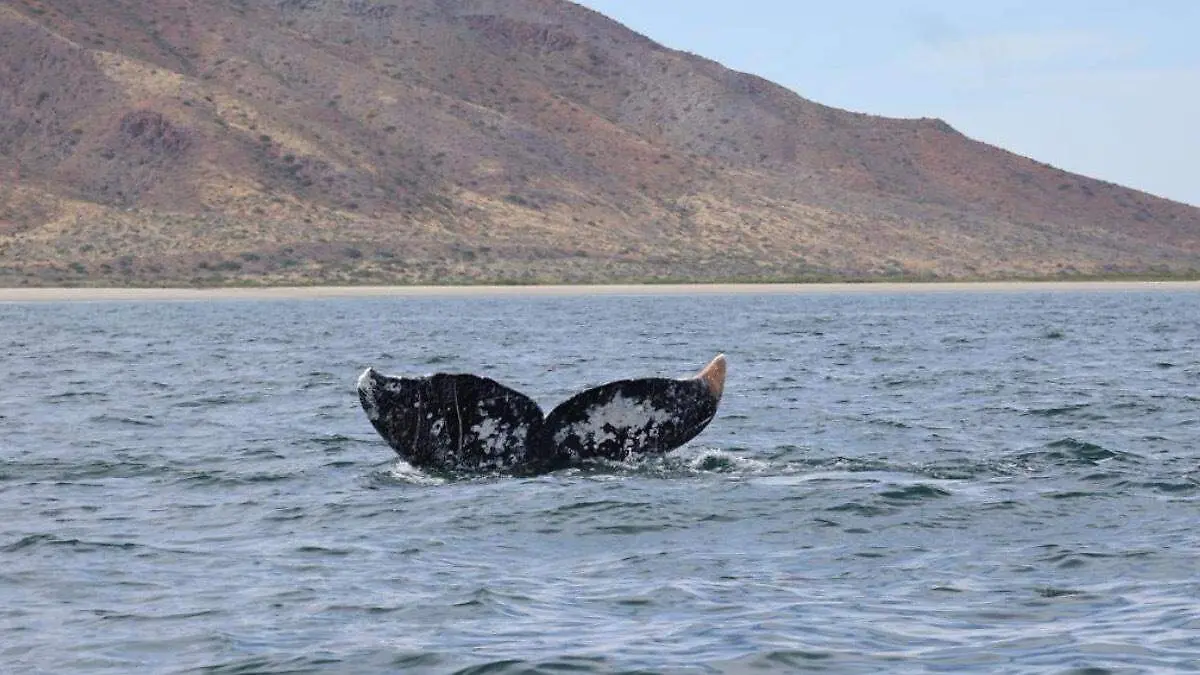
The tail of a gray whale emerges in the waters of Puerto Chale, the community’s main tourist attraction between January and March. / Photo: Carolina Vizcarra / El Sudcaliforniano.
“We have 415 residents here, including children and adults. Life here moves very fast; people live day to day from fishing. Right now, people have the opportunity to participate in tourism, and this opportunity has benefited fishermen,” explained the sub-delegate.
According to Amador Geraldo, tourism has shifted from being a complementary activity to becoming an increasingly important economic alternative for local families. “At first, about 30 percent of the community was involved in the tourism services sector, but now we’re at around 50 percent. There are already new companies that have joined this year,” he noted.
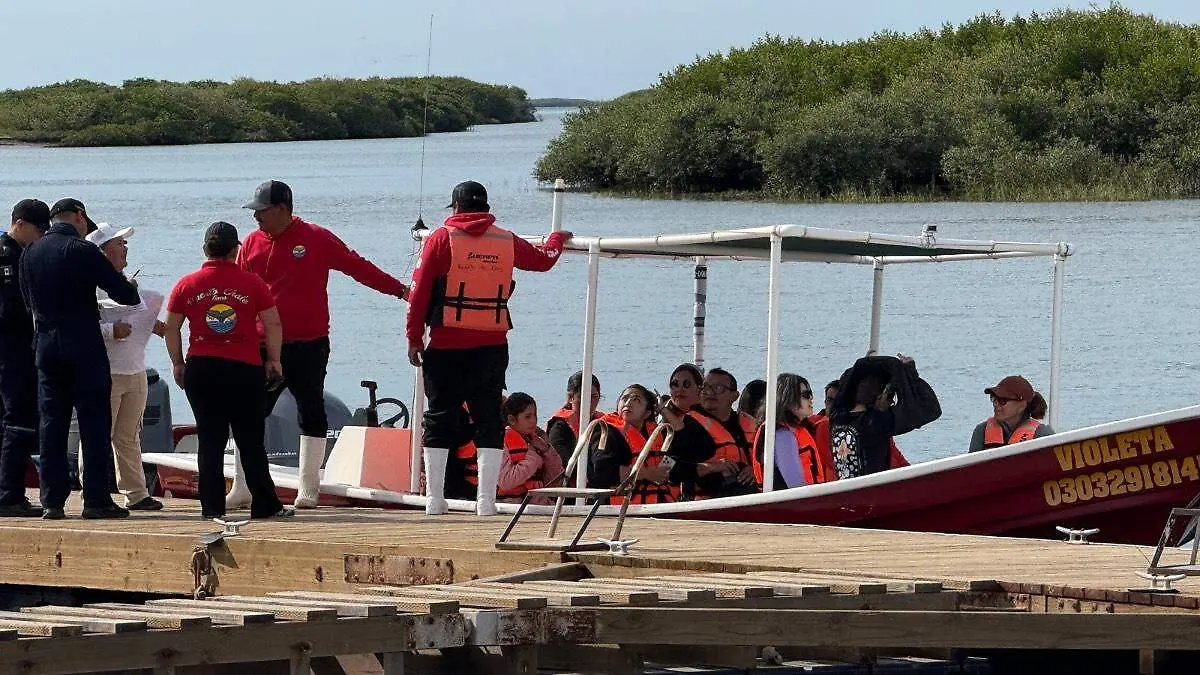
Visitors on board a boat prepare to begin the whale-watching tour off the coast of Puerto Chale. / Photo: Carolina Vizcarra / El Sudcaliforniano.
The sustained growth of tourism has required prior preparation by the community. Carla Jonguitud Mendarozqueta, head of the Municipal Department of Social Welfare and Economic Development in La Paz, explained that organizational efforts begin several months before the start of the season.
She detailed that there are currently more than 50 authorized tourism service providers operating in the area, in addition to coordination with tour operators from the city of La Paz who channel visitors to Puerto Chale. She also noted that for more than six months, training sessions were held on topics such as customer service, first aid, English, and basic business administration.
The development of tourism has enabled the consolidation of family-run businesses within the community, while also highlighting the structural limitations the locality faces. Manuel Antonio Higuera García, a resident of Puerto Chale and a member of Aleshka Tours, explained that his company receives between 300 and 400 visitors per season.
However, he pointed out that the lack of basic services remains a constant challenge. “Here in Puerto Chale, we don’t have electricity, and getting fuel is a bit difficult; we have to leave the town and go to Ciudad Constitución. To receive more tourists, having electrification and a small boardwalk that has been promised would help us a lot, but we haven’t seen any progress,” he commented.
Visitors aboard a boat get ready to start the whale-watching tour off the coast of Puerto Chale. / Photo: Carolina Vizcarra / El Sudcaliforniano.
Outside the whale-watching season, fishing continues to be the community’s economic backbone. Carlos Meza, a tourism service provider and fisherman, explained that the main species caught in the area include corvina, mullet, snook, and Spanish mackerel, both for local consumption and for sale.
This activity also supplies the food establishments operating in the community. According to the sub-delegate, Puerto Chale currently has four formally established restaurants, in addition to various food stands. “All the products we have are fresh. There is a hotel and many people who run food stalls,” he said.
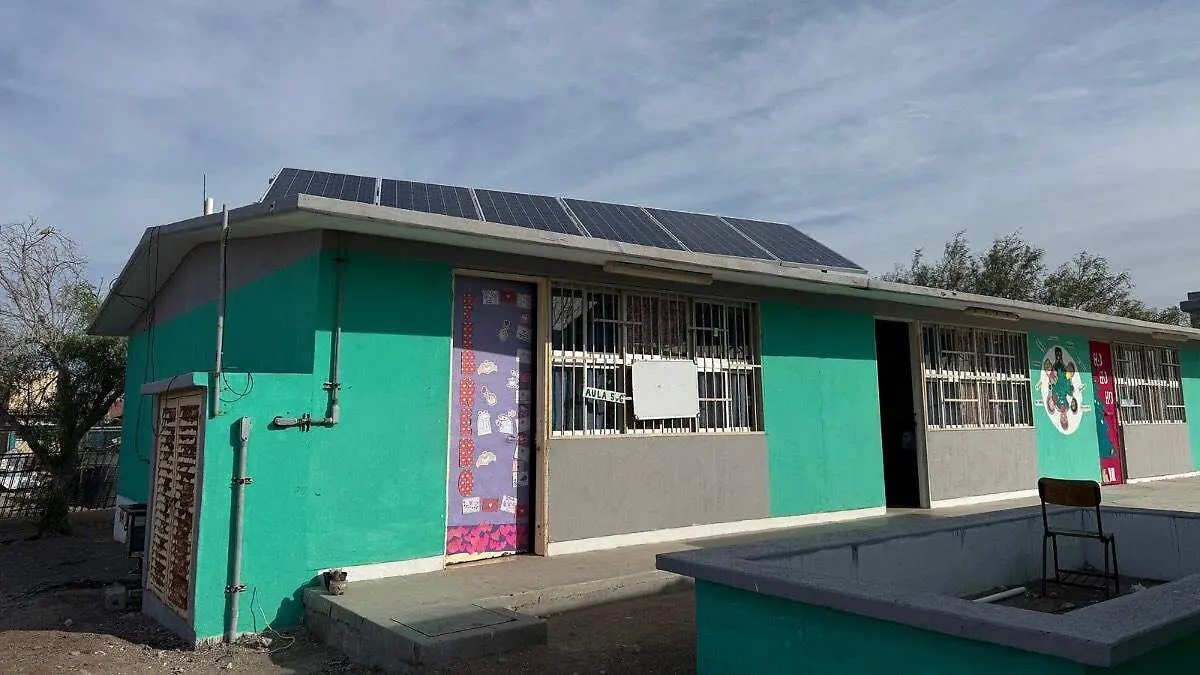
Living conditions in Puerto Chale are marked by the absence of basic infrastructure. The community does not have an electrical grid, so residents rely on solar panels as their main source of energy. There is also no potable water system, and water is supplied through tanker trucks that regularly serve the population.
Solar panel installed on the roof of the community school, one of the alternatives used for electricity supply. / Photo: Carolina Vizcarra / El Sudcaliforniano.
Regarding the electrification project, the state governor, Víctor Manuel Castro Cosío, explained that progress has not been possible due to the lack of right-of-way along the stretch connecting the Santa Rita junction to the community. This legal mechanism allows authorities and the Federal Electricity Commission to install infrastructure on privately owned land. He noted that the absence of this right-of-way prevents the installation of utility poles and power lines along the 23-kilometer access road, delaying the start of construction.
“We have worked very hard over the past two years to achieve electrification for Puerto Chale; however, obtaining the right-of-way has not been possible due to three deceased landowners along these kilometers. A succession process must be initiated, and that will take time,” he explained. He added that once these legal processes are completed, it will be possible to move forward with securing the right-of-way, although there is still no estimated date for completion.
Among the most recent actions is the inauguration of a Community Development Center built by the State Government through the state DIF, which was handed over to the municipal DIF. According to Carla Jonguitud Mendarozqueta, this space will allow for training sessions, courses, and will also function as a shelter during hurricane season.
“Progress is being made little by little. It is a remote community, and some services are still lacking, but gradually they are being established. They now have their own water tanker; before, it had to travel back and forth from the Los Dolores delegation, and now it is permanently stationed here,” she said.
Amid a tourism boom concentrated in a short season, fishing as a permanent activity, and challenges derived from its geographic location, Puerto Chale maintains a daily dynamic shaped by community work, local organization, and gradual processes of transformation.