Vicarious violence, the new face of abuse against women in BCS
In Baja California Sur, cases of vicarious violence rose from 55 in 2014 to 226 last year. Karla’s case illustrates how domestic violence can escalate into other forms of abuse
“He prevented me from seeking income through my child. He had all of my baby’s documents hidden in an air conditioner, so I knew he could take a flight and leave with him.”
Institutional Vicarious Violence
Being a Victim
Family violence turning into vicarious violence
“The fact that the crime is not widely known by society makes it difficult for victims to identify it from the first signs”.
Response Protocols
Once a user contacts the institution or is referred, ISMUJERES follows a comprehensive protocol that includes:
Protection of children and victims
“Thinking that ‘it won’t happen to me, so I don’t need to get involved’ fosters a less empathetic society, making it harder for victims to endure violence without a support network.”
Reality in numbers
In 2024, Baja California Sur recorded 55 cases of vicarious violence, according to the National Bank of Data and Information on Cases of Violence against Women (BANAVIM).
So far this year, from January to February 17, 25 additional cases have been reported, with 16 in La Paz and 8 in Los Cabos.
Vigilar a los más pequeños del hogar y evitar entrar a zonas de costa con bandera roja, son algunas de las recomendaciones y exhortos que hacen autoridades a la ciudadanía y a turistas
La Zofemat y Protección Civil hicieron un llamado a la ciudadanía para esté alerta ante un oleaje elevado que podría llegar a los 2 metros y medio de altura
La movilización nocturna de cuerpos de emergencia, especialmente del Departamento de Bomberos de San José del Cabo permitió ubicarlo a 150 metros de la orilla
Esta actividad se realiza durante la temporada en la que las tortugas ponen sus huevos. En ese tiempo, recorren las playas, cuidan los nidos y ayudan a que las crías lleguen al mar
Con una inversión de 5 millones de pesos, autoridades de Zofemat instalaron nuevas torres de guardavidas con videovigilancia en playas de Los Cabos, principalmente en la Bahía de Cabo San Lucas
Los Cabos, Baja California Sur.- “The worst thing that can happen to you as a mother is having your child taken away,” are the words of Karla Escobar, mother of a 1-year-and-4-month-old baby who was taken from her arms on January 22, 2026, after a judge in San José del Cabo issued an eviction order against her in less than 24 hours, following a complaint filed by her ex-partner alleging a supposed “family dispute.”
Karla is originally from Chile, had been living in France, but after the Covid-19 pandemic, she migrated to Mexico seeking her dream job as a diving instructor in Baja California Sur. After two years living in the peninsula, she met her ex-partner, with whom she had some experiences that later escalated into violence.
When her baby was born, the threats began. Once Karla expressed that she was tired of the relationship and stated her intention to “separate,” her worst nightmare became reality.
Karla Escobar holding her baby at her home / Photo: Courtesy / Karla Escobar
The strain in the relationship escalated when love turned into violence. Karla recounted that on one occasion, when she was 7 months pregnant, her ex-partner “kicked her out of the house” while he was drunk. When she hit rock bottom and tried to leave the relationship, the threats escalated into vicarious violence.
“I remember a phrase he told me: ‘You don’t know what I’m capable of’ (regarding my child). That stopped me from leaving the relationship. He would say it’s a corrupt country, where he could buy anyone he wanted.”
Vicarious violence is a form of gender-based violence in which the perpetrator uses a third person (primarily children) as a tool to cause pain, harm, or suffering to the mother. For Karla, this concept did not resonate in her life until a few weeks ago.
On January 22, the day she was evicted from her home, she had a work appointment at a diving center. Her ex-partner threatened again to take her child out of the country if she left the house, so she decided to stay.
Although vicarious violence was recognized in the Law on Access for Women Free from Violence, it was classified as a standalone crime in the Baja California Sur Penal Code starting in 2024.
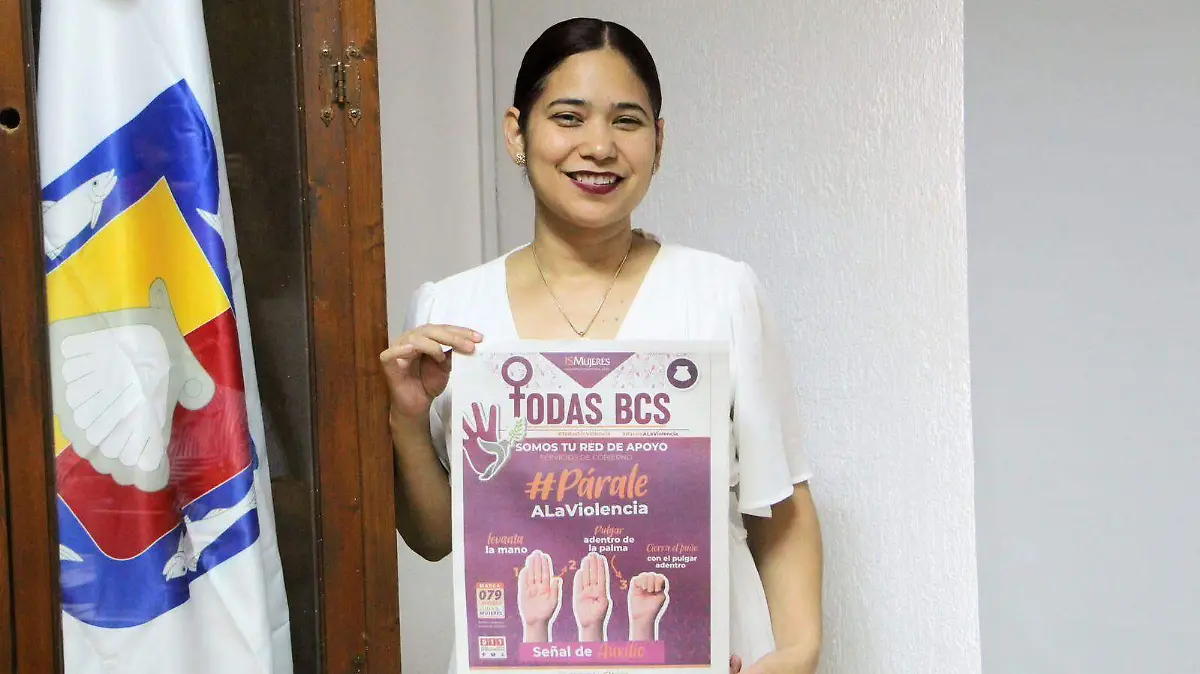
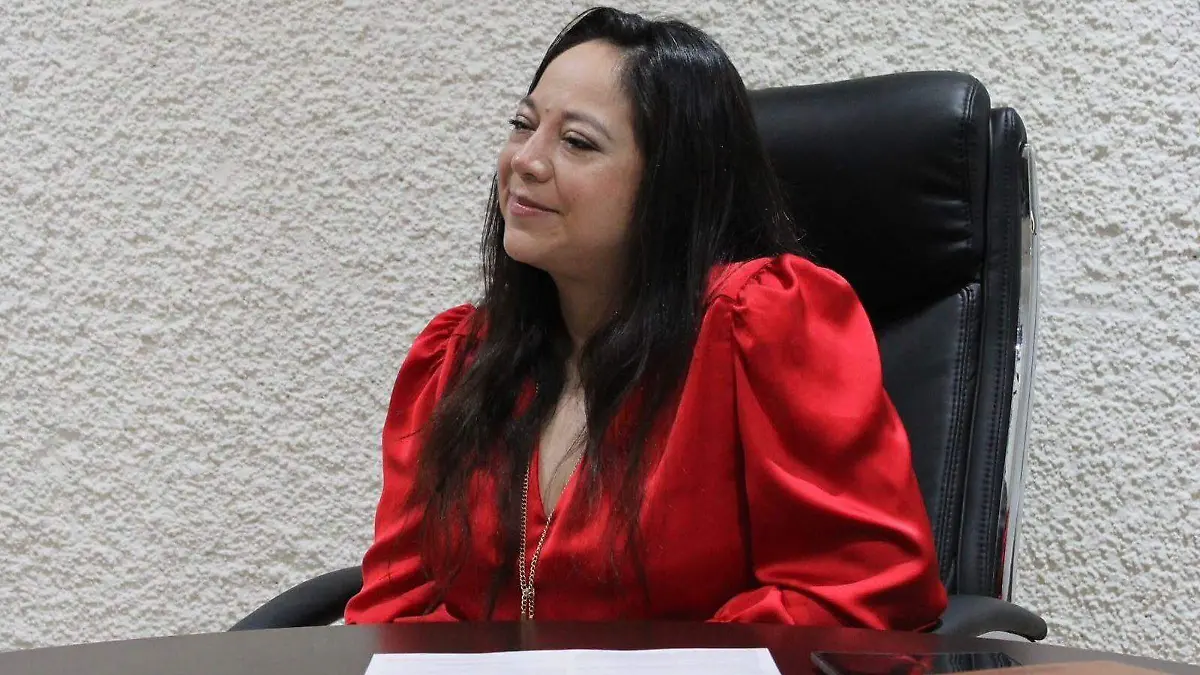
The Director General of the Instituto Sudcaliforniano de las Mujeres (ISMUJERES), Berenice Serrato Flores, reported that the guarantee of legal certainty in this crime has enabled greater visibility, reporting, and institutional recognition of its seriousness in the state.
Berenice Serrato Flores, directora general del Instituto Sudcaliforniano de Mujeres (ISMUJERES) / Photo: Courtesy / Ismujeres
After being evicted from her home, Karla spent 10 days without knowing anything about her son. Judge Jonathan Murillo of the Family Court of San José del Cabo did not set visitation rights, not even to maintain the mother-child bond.
The mother posted a video on social media, which is approaching 500,000 views, exposing her case. Later, she received legal advice and was able to invoke the child protection measure to preserve the maternal-filial relationship.
“The lawyers requested visitation rights, which were approved twice a week for two hours, and we filed a complaint against the judge, who, without any expert evaluations and only based on statements, decreed the separation. The complaint was accepted, and the judge and the court secretary are being investigated. Afterwards, he declared himself incompetent for the case.”
According to the State Human Rights Commission (CEDH) of Baja California Sur, institutional vicarious violence occurs when a public servant violates the human rights of women, either by an action, exceeding their authority, or by omission of duties, failing to provide assistance to a victim.
When such cases arise, the CEDH president, Charlene Ramos, explained that the victim can file a complaint, which automatically initiates an investigation against the authority.
She emphasized that exercising this type of violence violates human rights related to due diligence, the rights of women victims of vicarious violence, including non-guaranteed access to a life free of violence and justice enforcement.
Charlene Ramos, President of the State Human Rights Commission (CEDH) / Photo: Courtesy / CEDH
Due to her pregnancy and the pressure exerted by her ex-partner, Karla had not worked for two years, so her bank account was empty when she was evicted, leaving her without support networks, employment, or money—she became vulnerable.
Going public to share her story made her realize that, like her, there are thousands of women in Mexico and other countries experiencing these forms of violence, often without being fully aware of it.
“Many times, we normalize these behaviors, even though they are a crime that can be reported, and if reported promptly, they can prevent situations like this from occurring”.
A few days before the end of February, Karla was already able to see her baby, but only twice a week for two hours. The legal process is still in the investigation phase, so it has not yet been determined who will have custody of the child.
Because the crime of vicarious violence is relatively new in the legal framework, the director of ISMUJERES, Berenice Serrato Flores, stated that most complaints filed by users are initially reported as family violence. However, after the start of investigations, it is sometimes detected that the aggressor uses the children to harm the mother, leading to the reclassification of the crime as vicarious violence.
After the classification of this crime, ISMUJERES detected an increase in reports, which is attributed to the fact that cases are now reclassified.
“It does not necessarily mean that there is more violence, but that it is now recognized and addressed within a specific legal framework, which builds trust for women to approach institutions.”
Immediate reception and referral of the complaint
Initial assessment with a gender perspective
Risk evaluation
Internal and external referral to specialized services
Referral to shelters
Specialized legal advice in criminal and family law
Psychological support for women and their children
Social work intervention to assess the environment and reactivate support networks
Coordination with the Judiciary, the Prosecutor’s Office, and the State DIF for protection measures and follow-up
In vicarious violence, minors are used as a tool of control and to cause harm, which violates various human rights, including the best interests of the child.
“This violence affects the physical and psychological integrity of children and adolescents, their right to live free from violence, the right to identity and healthy relationships, and the right to be heard without being involved in manipulative processes.”
Beyond child protection, the State Human Rights Commission emphasizes the importance of societal involvement in raising awareness and sharing knowledge about the tools available to support and assist victims.
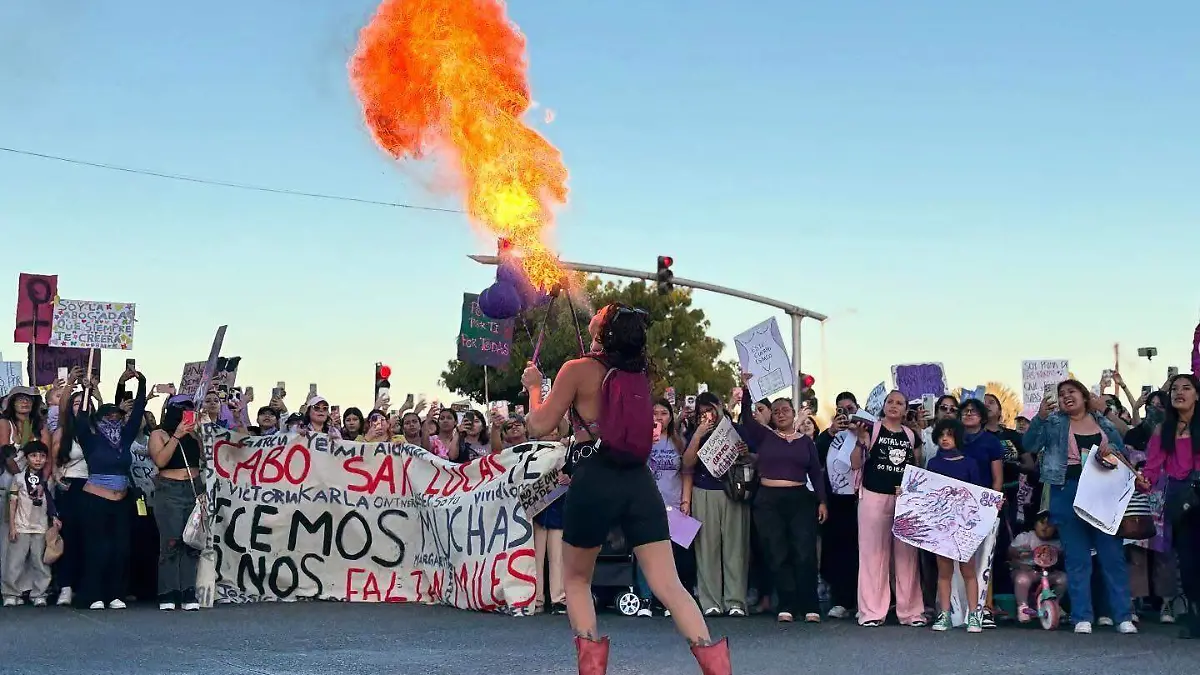
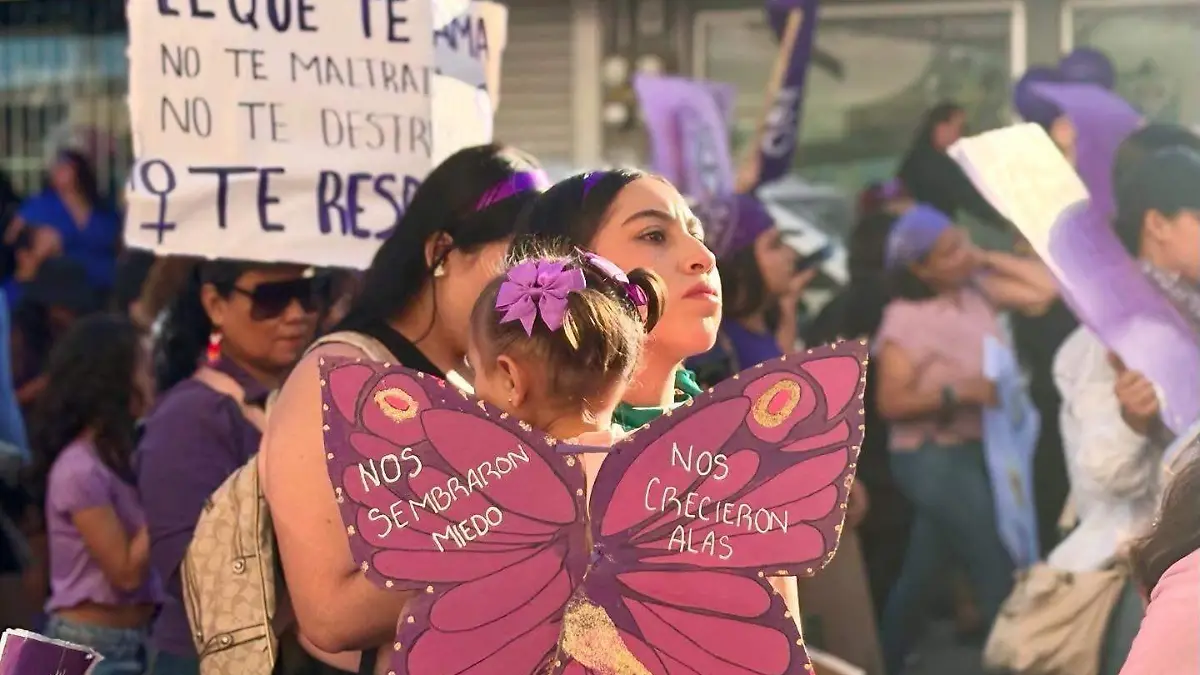
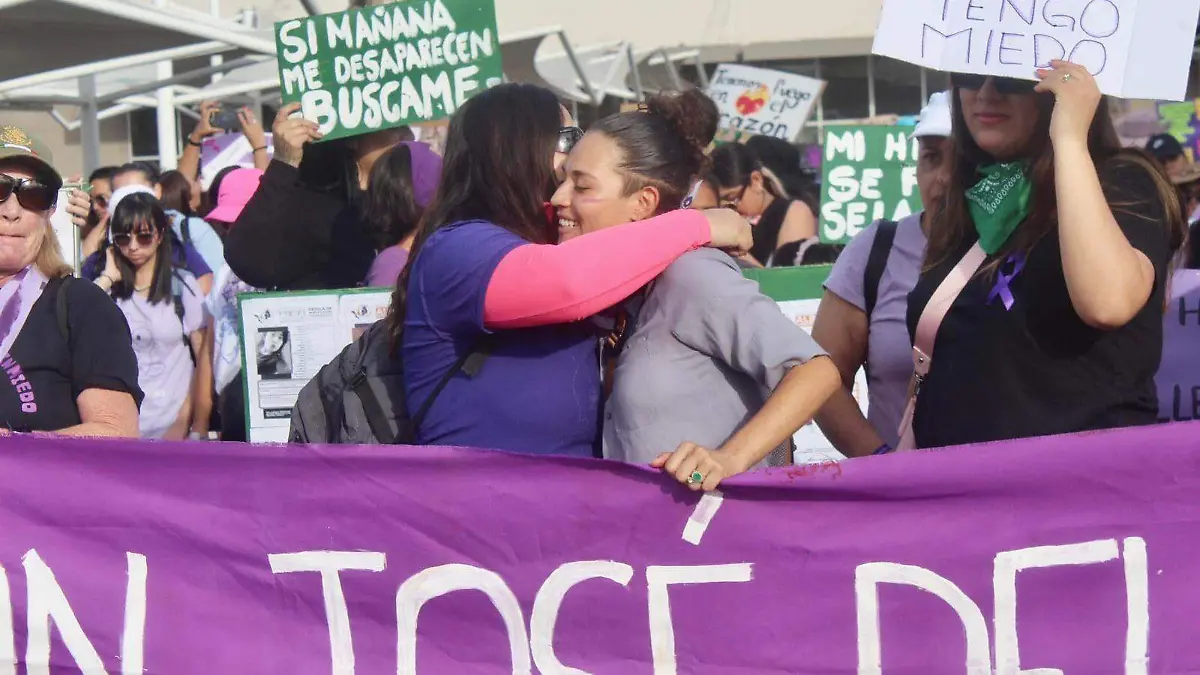
Two women hugging at the March 8 (International Women’s Day) rally in San José del Cabo / Photo: Grace Gámez / El Sudcaliforniano
By 2025, the cumulative record increased to 226 cases, of which 221 occurred in the state and 5 were administratively linked to other federal entities.
Although Los Cabos has the largest population in the state, the municipality of La Paz accounts for the majority of cases with 173, followed by Los Cabos with 35 cases.
These data, provided by ISMUJERES, reflect a higher concentration in municipalities with greater population density and more capacity in specialized services.