Waste increases during December Holiday Festivities in La Paz
Waste Generation Increases by Up to 50% During the December Holiday Season; Authorities and Organizations Recommend Strengthening Separation and Recycling
By year, the collection totals 17 tons in 2023, 20 tons in 2024, and 18 tons up to December 2025.
Cabral noted that during the December peak season, between 100 and 200 additional tons of waste are generated, mainly cardboard and plastic, and urged residents to use official containers.
Environmental education and community outreach
Recommendations for the holiday season
According to environmental organizations and municipal authorities, some actions that can help reduce waste generation during the holidays include:
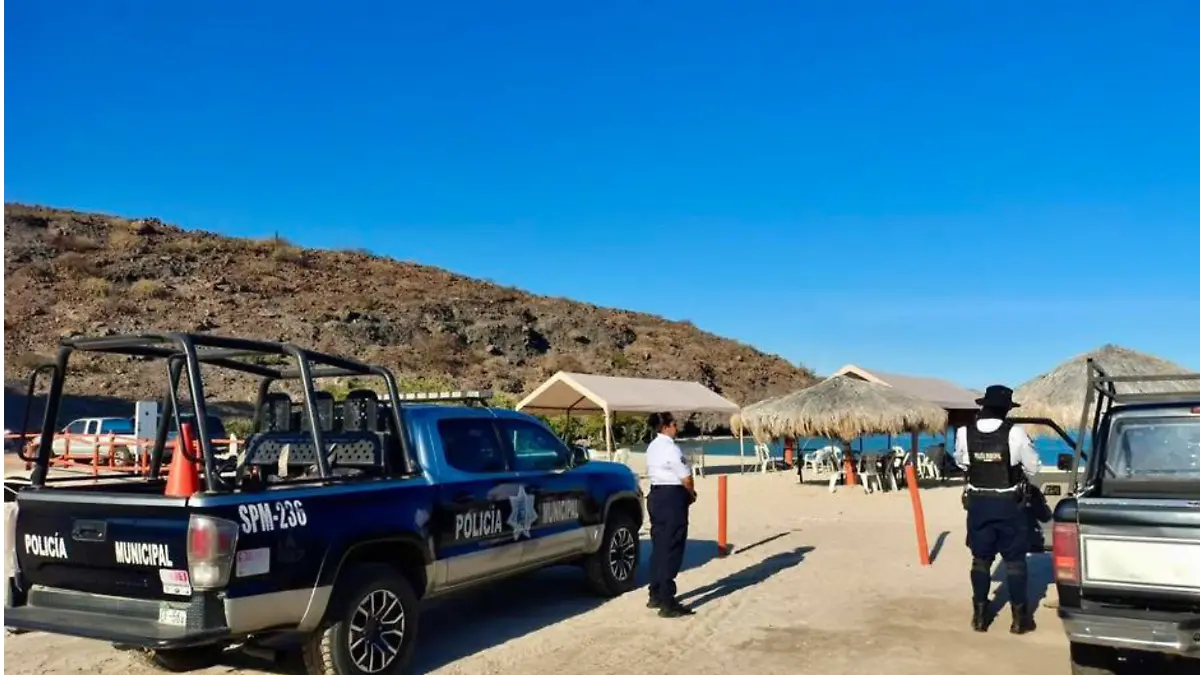
Vigilar a los más pequeños del hogar y evitar entrar a zonas de costa con bandera roja, son algunas de las recomendaciones y exhortos que hacen autoridades a la ciudadanía y a turistas
La Zofemat y Protección Civil hicieron un llamado a la ciudadanía para esté alerta ante un oleaje elevado que podría llegar a los 2 metros y medio de altura
La movilización nocturna de cuerpos de emergencia, especialmente del Departamento de Bomberos de San José del Cabo permitió ubicarlo a 150 metros de la orilla
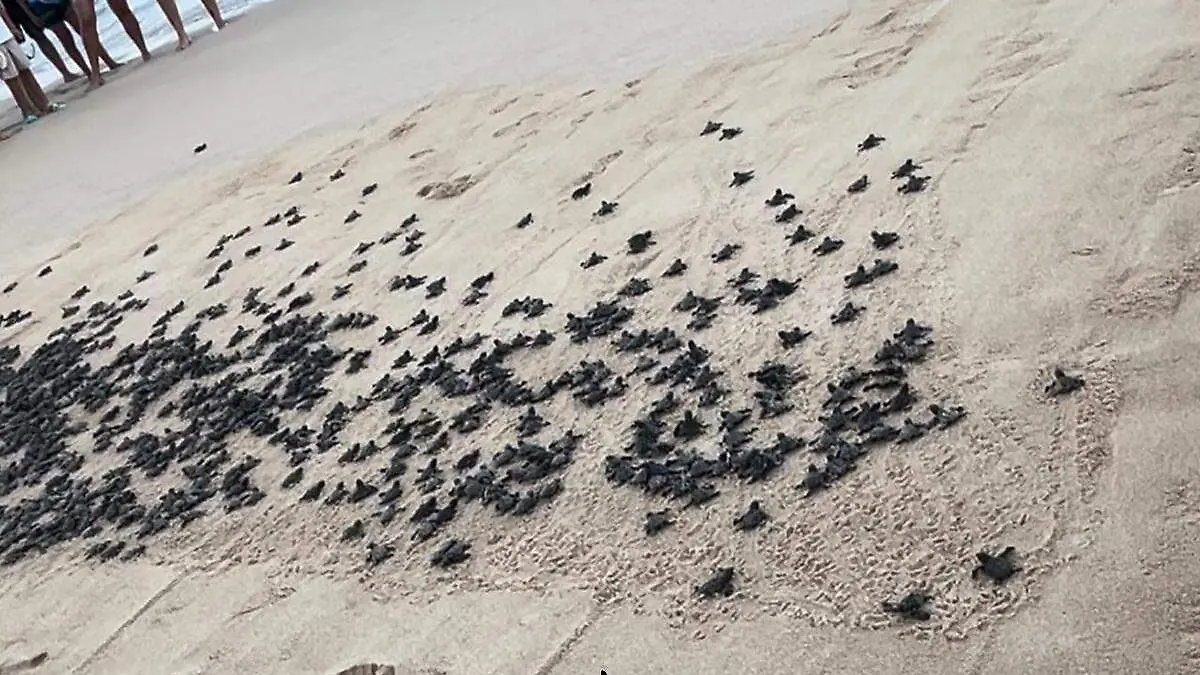
Esta actividad se realiza durante la temporada en la que las tortugas ponen sus huevos. En ese tiempo, recorren las playas, cuidan los nidos y ayudan a que las crías lleguen al mar
Citizens make purchases and preparations for the December holiday season. / Photo: Graciela López Herrera / Cuartoscuro.com
During the December holiday season, the waste generated in households in La Paz shows a notable increase, driven by Christmas and New Year’s dinners, gift-giving, and seasonal consumption. According to environmental organizations, this increase can reach up to 50% above the usual average.
Miguel Rivas, project director at the civil association Ponguinguiola, noted that this pattern is repeated every year in different cities across the country and represents a challenge for waste collection services and landfill capacity. “The December season is a time when we produce a lot of waste; the amount of waste generated in our homes increases by up to 50% due to gifts and Christmas and New Year’s dinners,” he said.
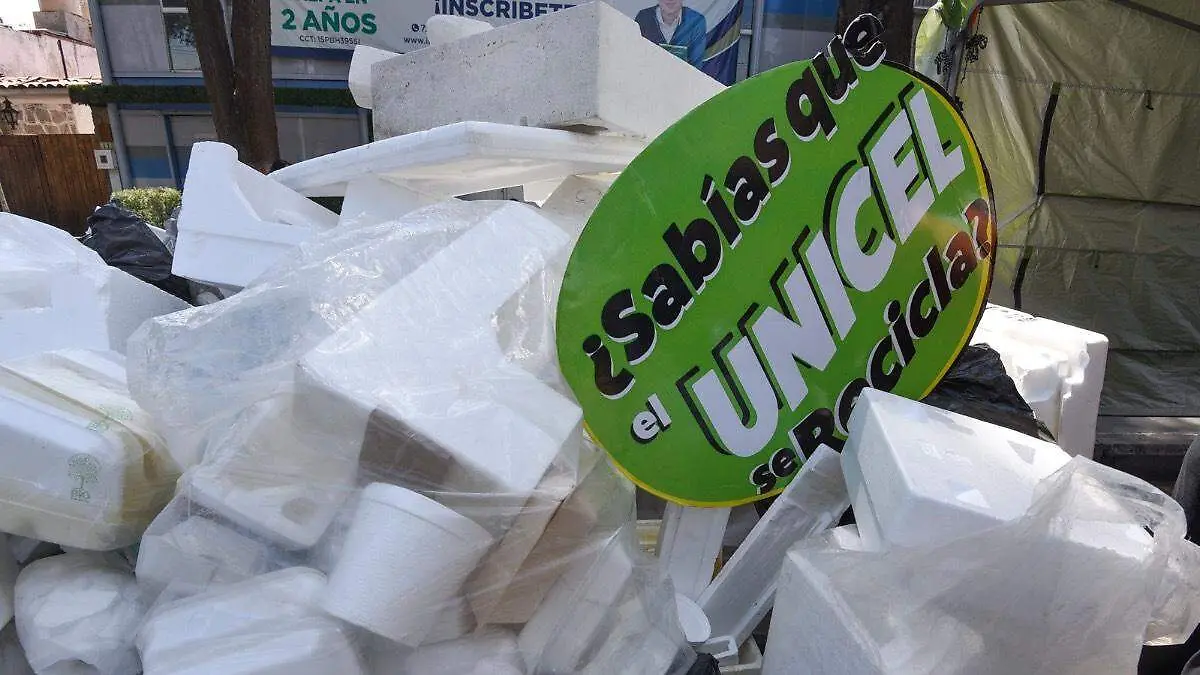
Rivas explained that if a person generates on average just over one kilogram of waste per day, in December the figure may approach one and a half kilograms. This increase is mainly associated with packaging materials such as cardboard and Styrofoam, as well as single-use plastics used in year-end gatherings and events.
“It’s important to wrap gifts in a more sustainable way, avoiding shiny metallic papers that cannot be properly collected or recycled,” he explained. He also recommended reusing boxes, ribbons, newspapers, and other materials available at home.
For the organization, the “Christmas Without Plastics” campaign, held on December 13 in La Paz, aimed to promote responsible consumption practices, reduce the use of disposables, and offer alternatives to wrap gifts with recycled or reusable materials.
Data from the state diagnosis prepared by Ponguinguiola indicate that Baja California Sur generates more than 649,000 tons of waste annually. Of this total, 47% corresponds to organic waste suitable for composting, while 30% are recoverable materials such as aluminum, cardboard, and plastic.
La Paz is the municipality that produces the largest volume, with nearly 280,000 tons annually. It is followed by Los Cabos with 242,000 tons, Mulegé with 46,000, Comondú with 45,000, and Loreto with 32,000 tons. Rivas noted that the state does not operate recycling plants, but only collection centers that send materials outside the state, which increases logistical costs and limits recovery.
Aluminum is the material with the highest recovery rate, at more than 90%, followed by cardboard at 70%. In contrast, plastic has an overall recycling rate below 16%, although PET — used in bottles and containers — reaches a national recovery rate of 62%.
The diagnosis also identifies more than 20 final-disposal sites that operate as open-air dumps and do not comply with the Mexican Official Standard NOM-083-SEMARNAT-2003, which could pose environmental risks in the medium term.
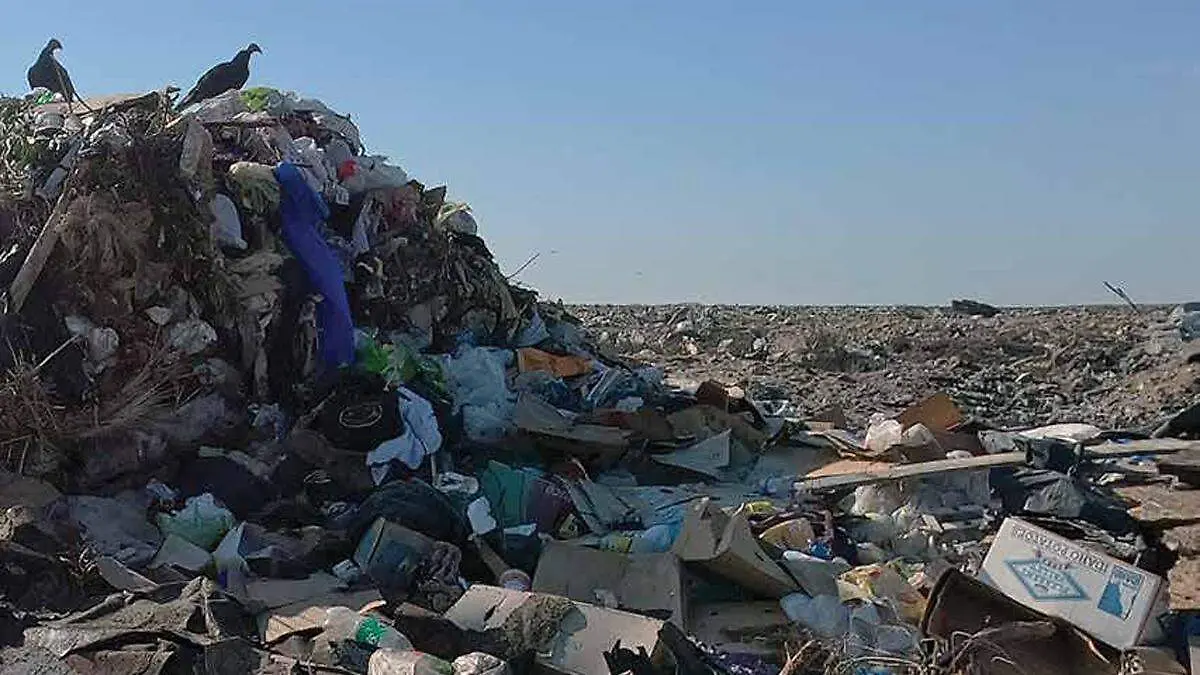
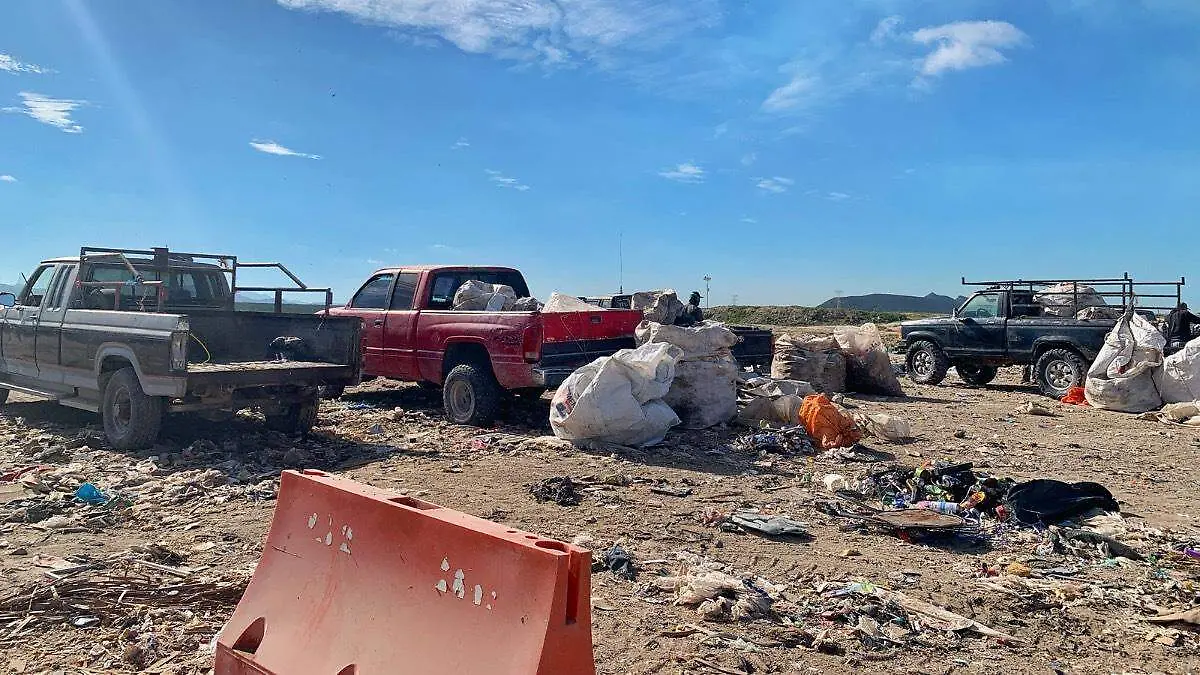
View of the La Paz landfill, where most of the waste generated during this season is concentrated. / Photo: Carolina Vizcarra / El Sudcaliforniano
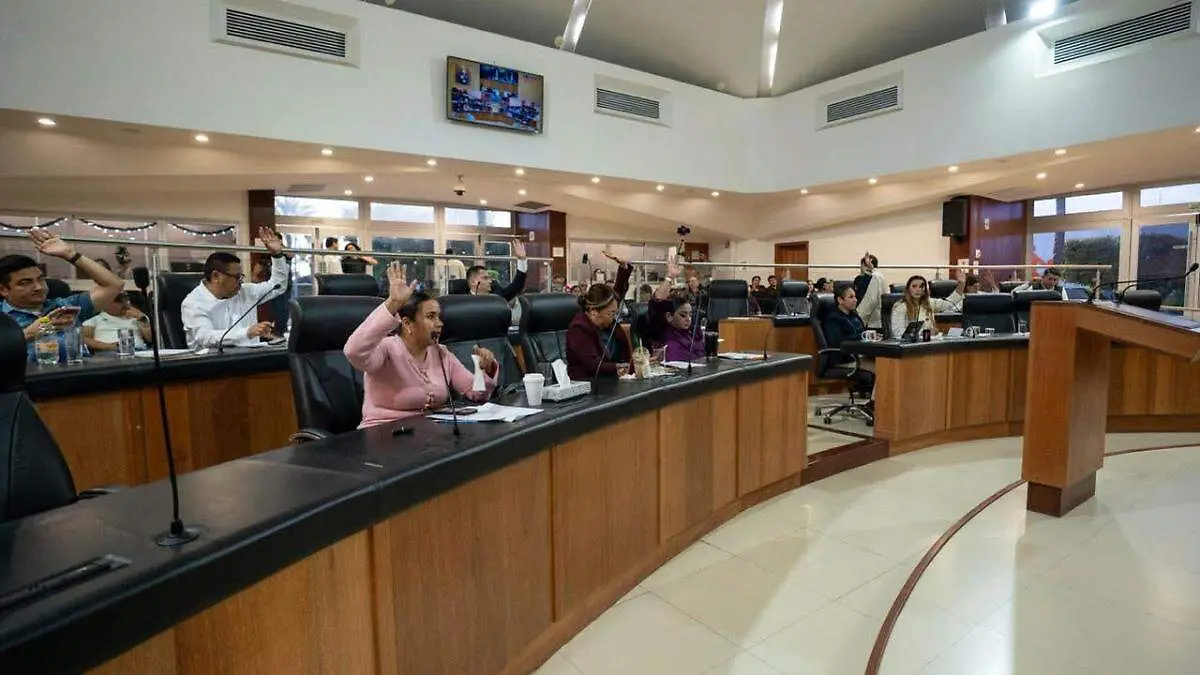
Daniel Cabral Ramírez, Director of Sustainability and Waste Management of the La Paz City Council, noted that urban growth and the increase in visitors have contributed to the rise in waste generation in the city. “Every year more tourists visit La Paz, but we also know we have a problem because there is more growth and, obviously, more waste generation,” he said.
Cabral explained that, in response, the Reciclatón program was created, initially aimed at collecting recoverable materials and special-handling waste such as green waste, cigarette butts, electronic devices, and books. Beginning in 2023, the program was divided into two: Más para Reciclar and Ruta 0, the latter focused on installing containers in strategic locations for the collection of cardboard, plastic, and metal.
In 2025, an agreement was signed with the World Wildlife Fund (WWF) to incorporate La Paz into the Plastics Smart Cities program and launch Ruta Cero 2.0, which broadens the focus to environmental education. The containers now promote environmental awareness, proper water management, and the protection of native species such as the peninsular yellowthroat.
Currently, 10 containers have been installed in different areas of the city, including the La Paz City Council, Camino Real, Parque Morelos, the Malecón, DIF Estatal, UABCS, SEP, El Centenario, and Los Barriles.
Since 2023, the Ruta 0 program has collected 55.07 tons of recoverable materials, including 23.8 tons of cardboard, 23.2 tons of plastic, 6.62 tons of paper, 0.84 tons of aluminum, and 0.61 tons of metal.
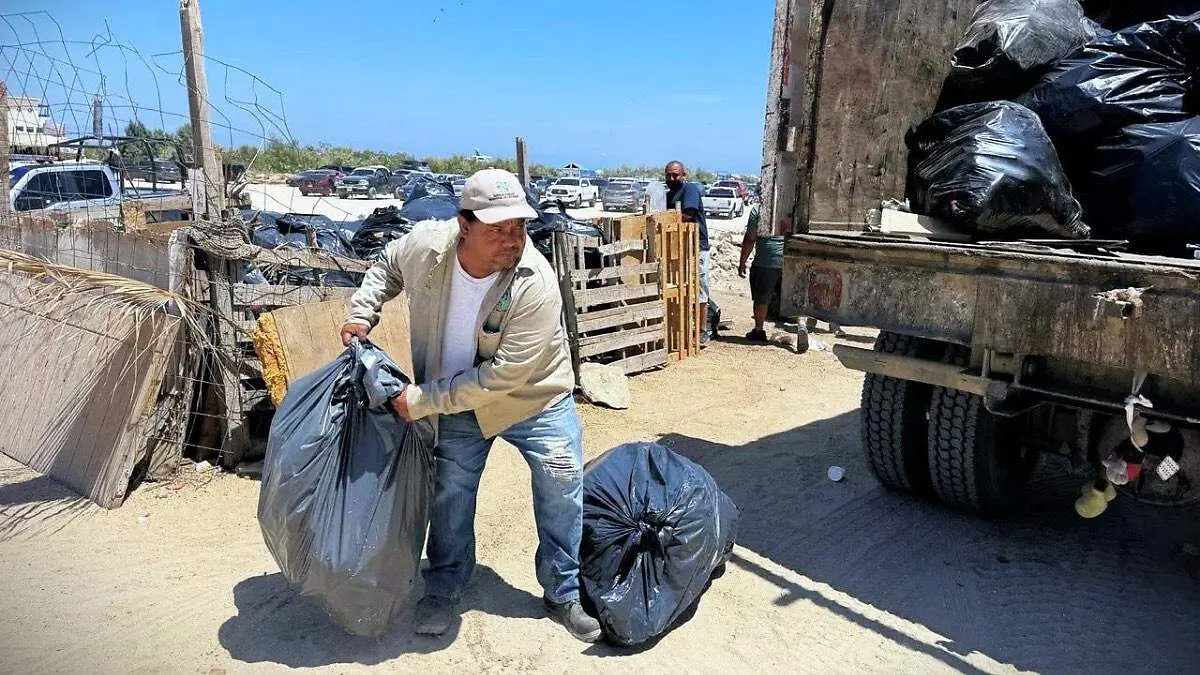
A worker handles waste during routine collection in residential areas of the city. / Photo: Archive / El Sudcaliforniano
The Earth Ambassadors program, promoted by the City Council, has offered awareness talks in schools and community events. So far, it has reached 3,697 people, mainly children and young people. Cabral emphasized that “the future lies with children,” so the strategy has focused on reinforcing separation practices and proper waste management at home.
Reusing boxes, bags, ribbons, and newspapers to wrap gifts.
Avoiding metallic or shiny papers that cannot be recycled.
Reducing the use of disposables at dinners and gatherings.
Separating cardboard and plastic at home and taking them to collection points.
Reusing Christmas decorations and avoiding unnecessary purchases.
Both the City Council and civil organizations agreed that home waste separation and recycling help reduce pressure on the landfill and improve final waste management during one of the highest-generation periods of the year.