In this section, indicators are used to measure the level and perception of crime in each state in order to evaluate whether residents feel safe.
Areas with the Lowest Scores
The organization México, ¿Cómo Vamos?, in coordination with the Social Progress Imperative initiative, also presented a historical series covering the period from 2015 to 2024 in this sixth edition of the report.
La presidenta municipal de Mulegé, Edith Aguilar, elevó su oferta salarial luego de que trabajadores municipales bloquearon el Palacio Municipal y oficinas de OOMSAPAS
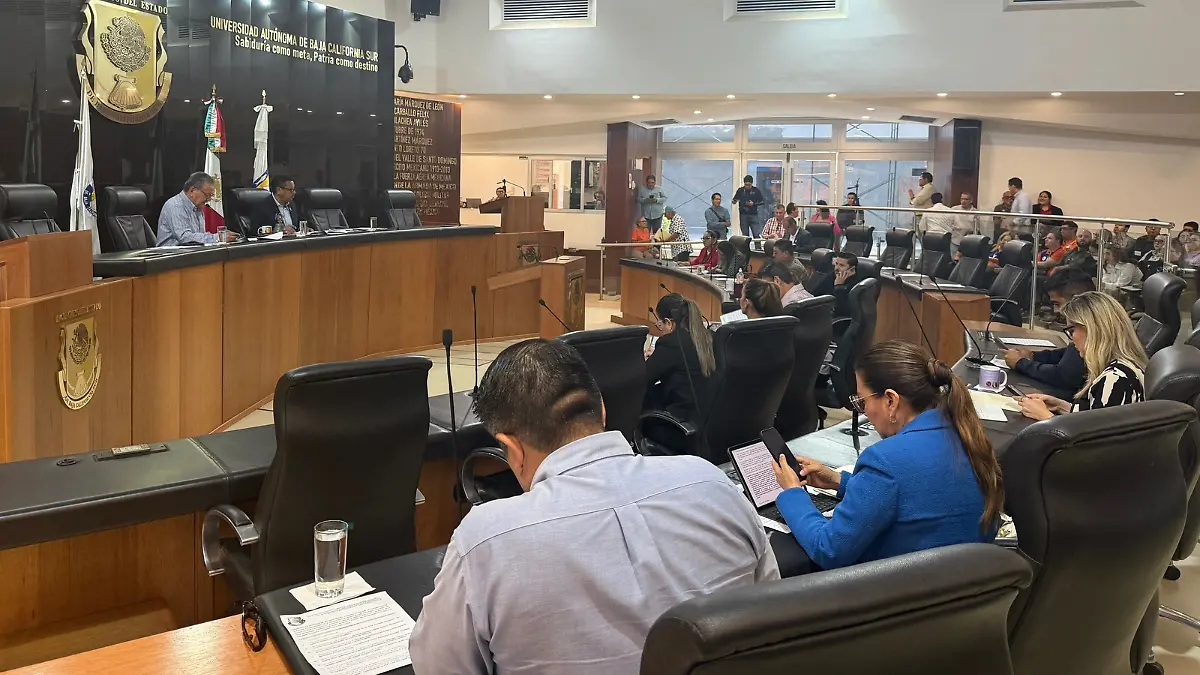
El Congreso de BCS aprobó un exhorto para que, en un plazo máximo de una semana, autoridades municipales y estatales rehabiliten brechas rurales utilizadas durante la competencia off-road
En lo que va del año se han reportado dos homicidios dolosos en Comondú, con una disminución en la incidencia de delitos de alto impacto en comparación con 2025
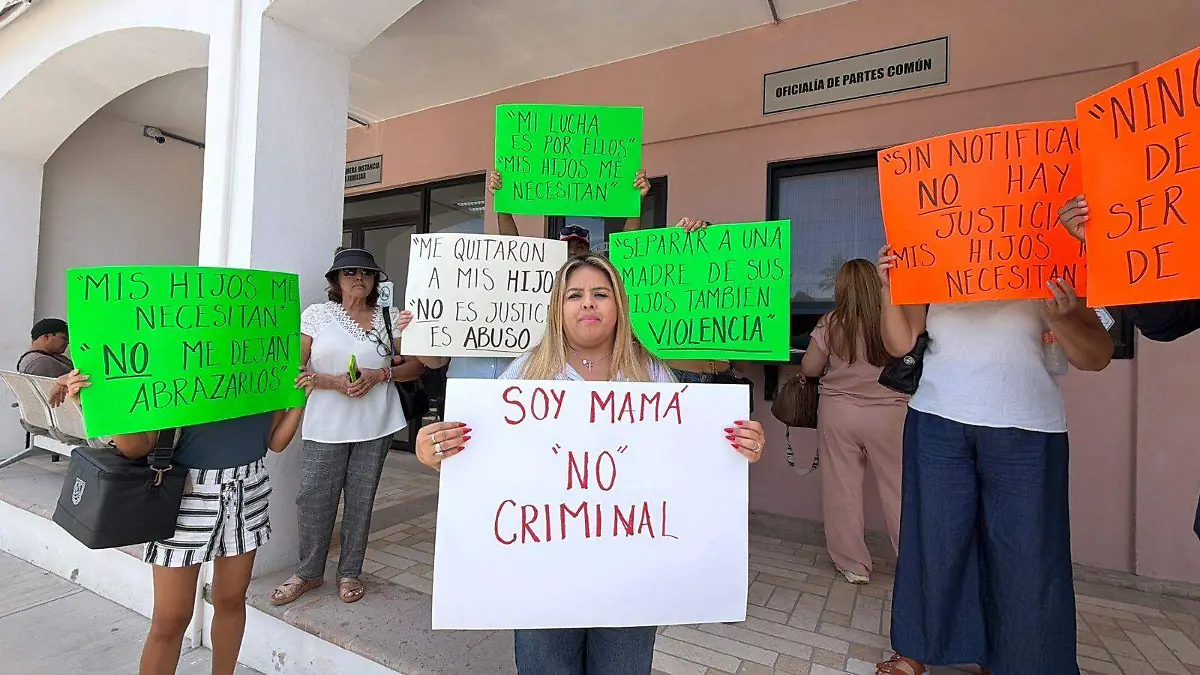
Dalia Catalina, madre de tres menores de edad se manifestó este 28 de abril afuera del Juzgado Familiar en San José del Cabo para exhibir que su ex pareja sustrajo a sus hijos sin su consentimiento y enfrenta una denuncia penal de él
En 2025, cinco municipios de BCS registraron sequía moderada; dos dependencias estatales trabajan con herramientas científicas para proteger la ganadería serrana.
Tras las protestas de vecinos de la colonia Fundadores, el Ayuntamiento de Los Cabos anunció medidas provisionales para atender la falta de agua y electricidad
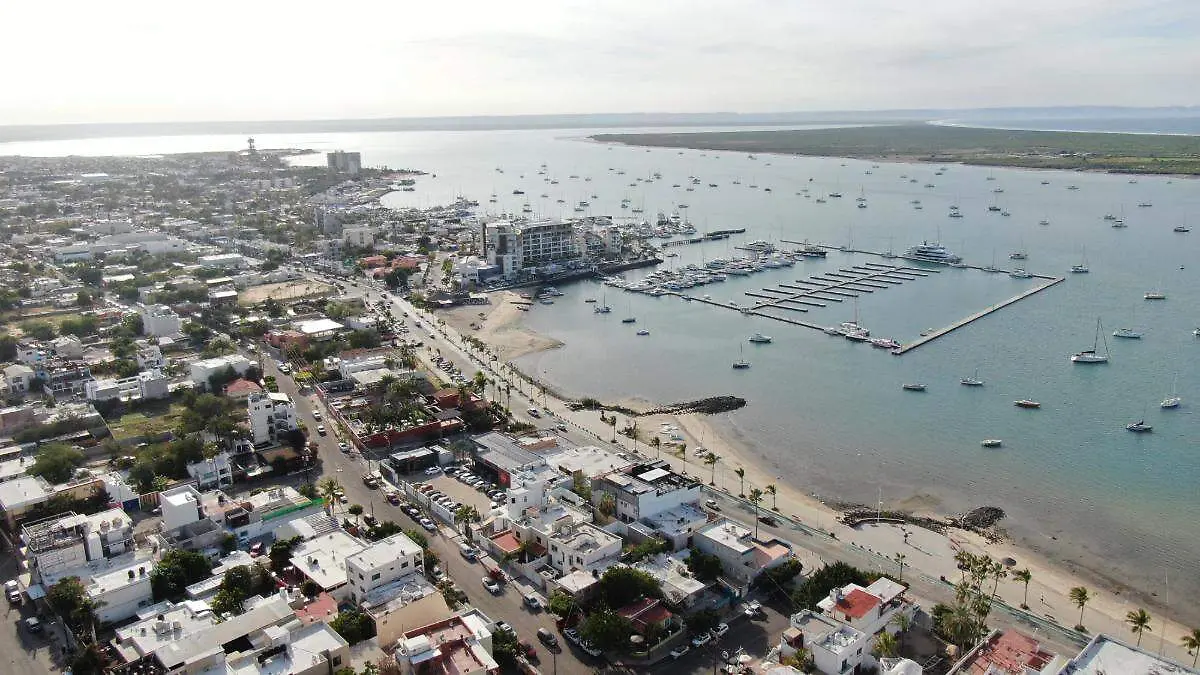
La Paz, Baja California Sur. — According to the 2025 Social Progress Index, prepared by the organization México, ¿Cómo Vamos?, Baja California Sur ranks eighth nationwide in this evaluation, based on the analysis of data in areas such as health, education, and security.
Below, El Sudcaliforniano breaks down the sections analyzed by this organization to obtain this indicator across Mexico, highlighting the areas where the state achieved its best results and those where it received lower scores.
This metric evaluates whether people live long and healthy lives, using indicators such as life expectancy and other health variables. According to México, ¿Cómo Vamos?, this is the area in which Baja California Sur performs best, with a score of 67.8, placing it third nationally.
This result reflects that the state is the second entity with the highest life expectancy, reaching 77.2 years, the fourth with the lowest mortality from circulatory diseases, and first with the lowest mortality from diabetes. It is worth noting that these indicators were analyzed per 100,000 inhabitants.
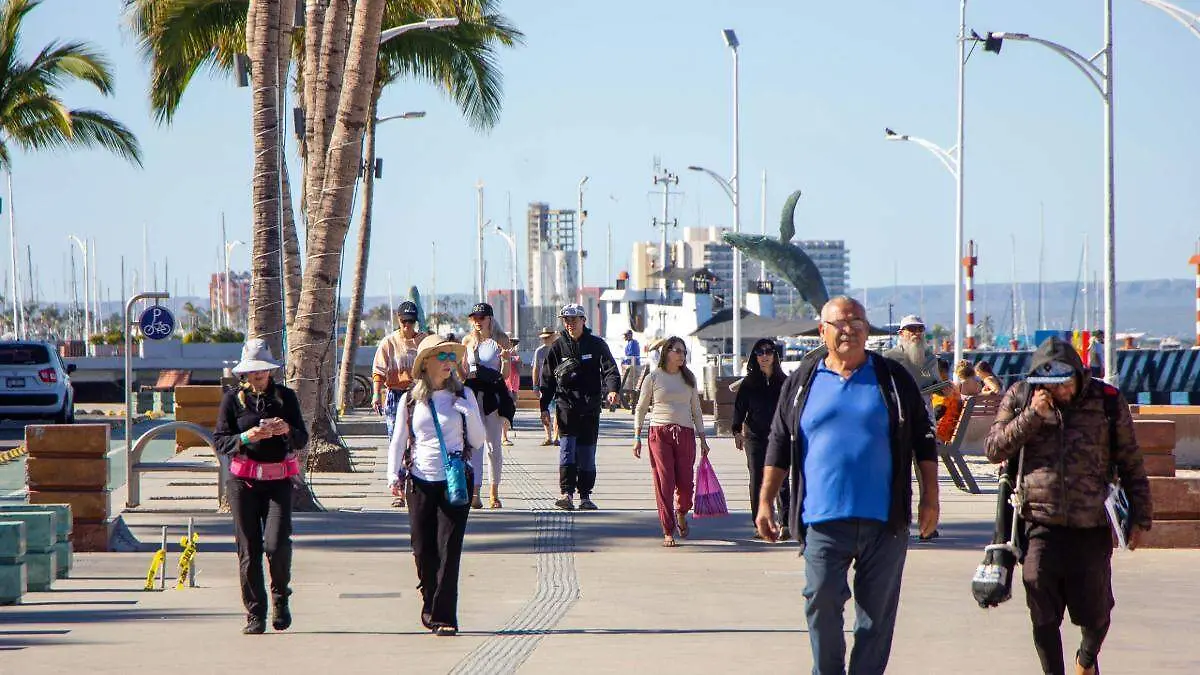
The state ranks third in health and well-being. / Photo: Alberto Cota / El Sudcaliforniano
The results show contrasting outcomes for Baja California Sur. The state recorded one of the largest decreases in score, falling from 75 points in 2023 to 54.2 in 2024. However, in the evaluation of the homicide rate per 100,000 inhabitants, the Baja California Peninsula state ranked sixth nationwide. Additionally, at the national level it placed first in perception of security.
It should be noted that this study does not yet include the violence recorded in 2025, a year that registered the highest number of intentional homicides in high-impact crimes, including shootings. Nevertheless, by 2024, the state ranked 30th in the organized crime index and 31st in the violent crime index.
The state governor, Víctor Castro Cosío, has insisted that for most of his administration security perception remained among the highest in the country, although he acknowledges that high-impact crimes in 2025 increased the statistics.
Last year, more than 90 intentional homicides were recorded. The municipalities of Comondú and Loreto accounted for more than 70 percent of the cases, mainly linked to shooting incidents.
There are contrasting results in the security evaluation. / Photo: Alberto Cota / El Sudcaliforniano
There are two areas in which the evaluation does not favor Baja California Sur as strongly. One of them is “Basic Human Needs”. This category describes the essential conditions required for a minimum quality of life, such as healthy food, water and sanitation, adequate housing, and protection of physical and mental integrity.
According to the evaluation, Baja California Sur ranked 14th with 74 points. The organization also noted that 2024 was one of the three entities reporting a decline in this category, along with Mexico City and Sinaloa.
In this context, in the area of Water and Sanitation, Baja California Sur received its lowest scores in this civil society assessment. This category evaluates whether people can drink safe water and maintain hygiene without becoming ill, based on indicators related to water supply and sanitation services.
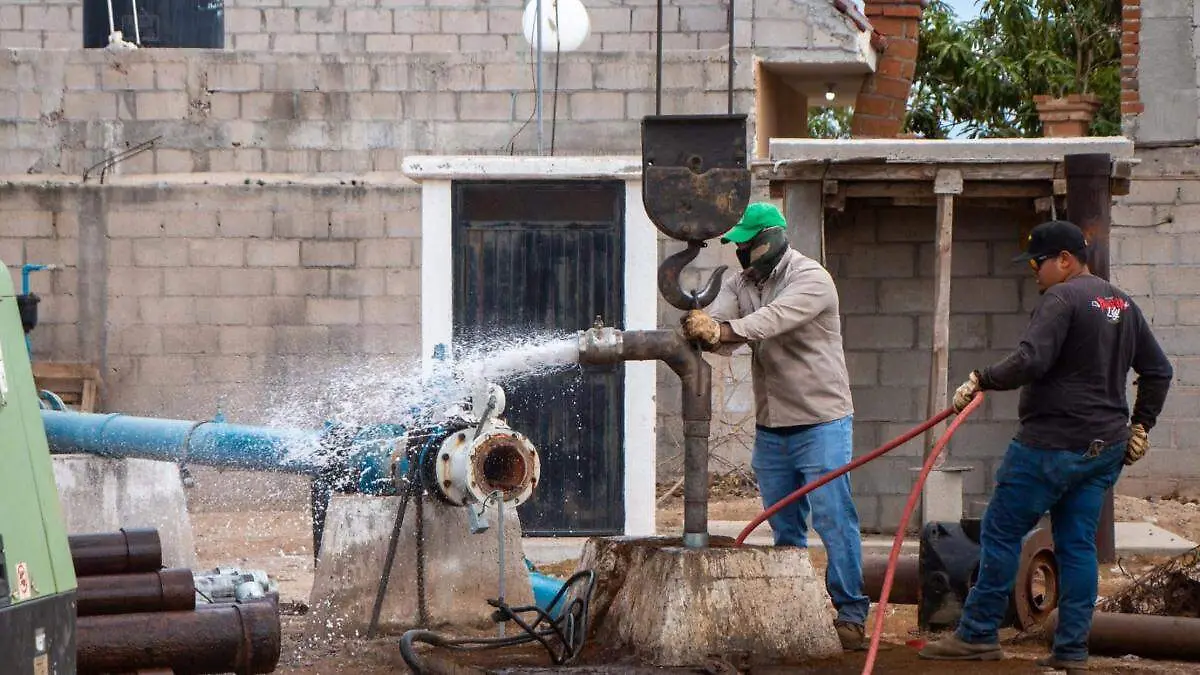
Access to water is one of the lowest-rated areas in Baja California Sur. / Photo: Courtesy / SAPA La Paz
The Baja California Peninsula state ranked among the five entities that reported a decline in this category, and it also placed 26th in the national ranking with a score of 80.2. Another negative indicator is that the state ranks last in the evaluation of daily water supply, as only 19.8 percent of households report receiving water every day.
They also report that only 83.6 percent of households in Baja California Sur have access to water. According to the Citizen Front in Defense of Water (Freciudav), La Paz alone faces an annual water deficit of 7.8 million cubic meters (m³).
As previously reported by El Sudcaliforniano, the National Water Commission (Conagua) has also detailed that the water deficit in Baja California Sur exceeds 105.1 million m³ each year, equivalent to more than 105.1 billion liters. With this amount of water, it would be possible to fill 42,000 Olympic-size swimming pools or 13 times the capacity of the “La Buena Mujer” dam.
It is worth noting that the Social Progress Index measures social performance in Mexico’s states and is independent of economic indicators such as income or public spending. It is calculated using 48 social and environmental indicators that capture three dimensions of social progress: Basic Human Needs, Foundations of Well-Being, and Opportunities.
According to the study’s description, the index measures quality of life based on outcomes. It evaluates whether people have access to services that enable their rights — such as education, health, and security — and whether they live in environments where they can exercise their freedom and reach their potential.
“The greatest value of the Social Progress Index is the conversation around shared prosperity, which is a joint project involving households, government, the private sector, and civil society. The Index provides a tool to measure where we come from in order to understand where we should go, ensuring that shared well-being becomes a right for everyone,” the organization concluded.