Autistic children in BCS without access to shadow teachers
Children do not have guaranteed access to education; families that require a shadow teacher must pay for it out of pocket, and those without financial resources depend on the capacity of classroom teachers, who often manage more than 30 students per class.
Gilberto Santisteban Flores
Also known as “shadow” teachers, they assist the lead classroom teacher by providing individual accompaniment to students with special educational needs.
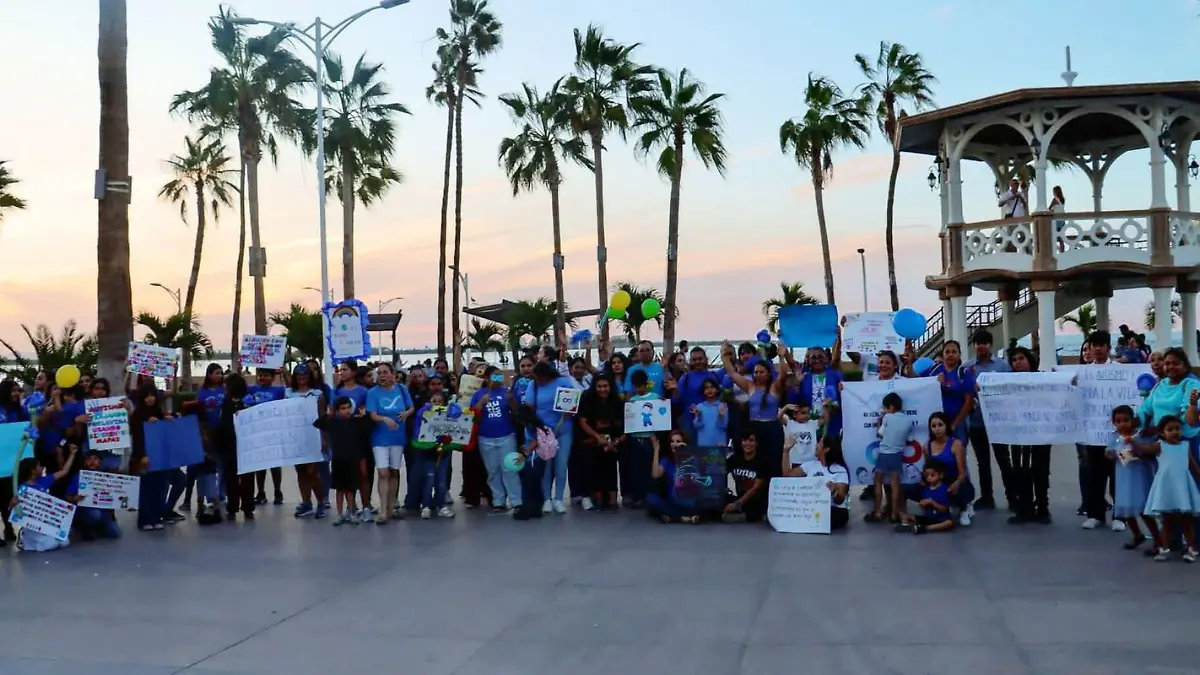
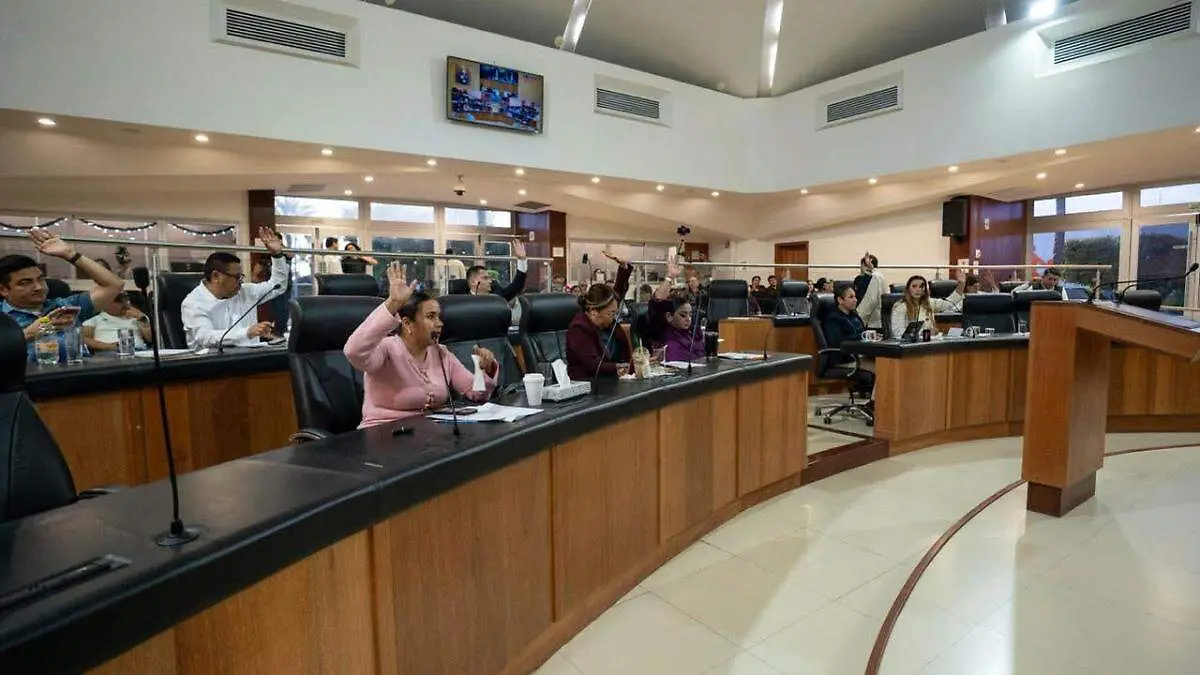
Despite efforts by families and the autistic community to establish the figure of the monitor teacher within the new law, they faced a refusal from the deputies of the XVII Legislature in charge of the legislation.
Receive the most important news from Baja California Sur through our newsletter!
Marcela Arrevillaga Robledo, representative of the Collective of Parents of Persons with Autism in Baja California Sur, commented that when they addressed the need for shadow teachers, legislative authorities argued it was impossible as it fell under federal jurisdiction.
Families Pay with Their Own Resources
Although this new law was drafted since 2024 by order of the Supreme Court of Justice of the Nation (SCJN), the XVII Legislature approved it without including a census or registry of autistic individuals.
The collective, on its own, maintains a registry of approximately 1,500 autistic children and adolescents in schools across Baja California Sur; nearly 700 families comprise the organization.
“It’s not like I woke up one day wanting to ask the SEP for a monitor teacher just because I felt like it. It’s because there is a history showing that for Mateo to improve his skills, he requires a monitor teacher,” she expressed.
A Law Without “Real Inclusion”
The mother and activist reiterated that it is a sad situation because this law ignored several urgent needs to improve the educational quality for autistic children, despite them being presented to the deputies.
“It’s sad because the real voice of autistic people was missing, as was the inclusion they talked so much about; hopefully, guaranteeing that inclusion doesn’t just stay on paper,” she noted.
While some municipalities like Los Cabos and Loreto have implemented programs to pay for monitor teachers with municipal funds, Marcela emphasizes that the problem remains: it is not a legally established figure, leading to a lack of sufficient training.
Consequently, the collective insists on the importance of a designated budget (etiquetado) in the law. Marcela warns that without assigned resources, the reform will remain nothing more than good intentions.
The Figure of the Shadow Teacher “Does Not Exist”
However, USAER does not implement shadow teacher services. The department head argued that they cannot hire personnel who are not in the authorized catalog, and the “monitor teacher” does not exist as an official role.
Subscribe here to the digital edition of El Sudcaliforniano
“The occupational structure authorized for us does not contemplate shadow teachers; within the inclusive education policy, children are supposed to be included like any other child with the support and guidance that USAER provides to both the teacher and the parent,” she concluded.